Markets Watch AI Spending and Debt Ceiling as Midterms Decide Congress
Investors face uncertainty over AI capital expenditure and fiscal policy as all 435 House seats and 35 Senate seats go to vote.
By Sakura Novak ·

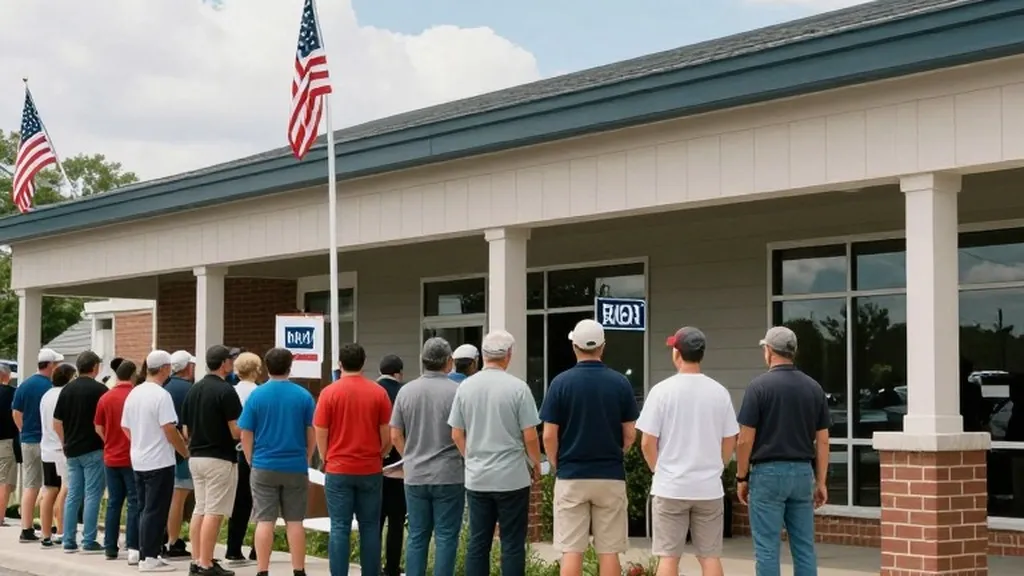
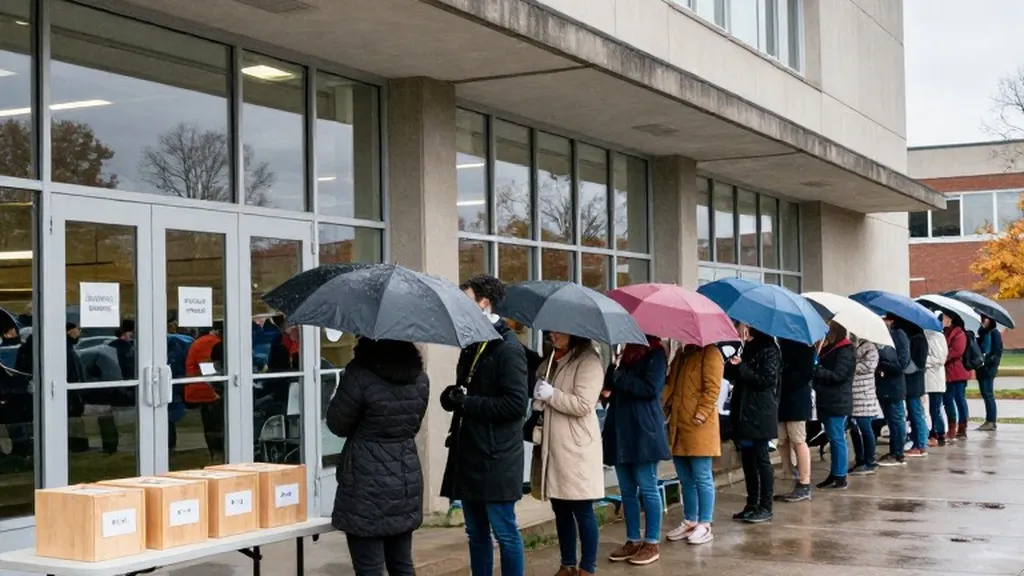
Election Day has arrived for the 2026 midterm elections, with polls open in all fifty states. This contest determines control of the U.S. House and Senate for the final two years of President Donald Trump’s second term. Investors on Wall Street are monitoring the outcomes closely, looking for signals on fiscal policy and corporate spending. The Associated Press reports that the election is viewed as a referendum on the president’s performance, with voters expressing concern over high prices and an unpopular war with Iran. More than 57 million people had already cast ballots before today, surpassing early vote totals from four years ago in many key states.
Republican committees have outraised and outspent their Democratic counterparts, aided by Trump-affiliated groups and Elon Musk. However, at the candidate level, Democrats outraised their opponents. Analysis of advertising data shows that 88.1% of Republican general election television ad spending focused on states and districts Trump won in 2024. This includes more than $850 million spent in areas where he won by ten points or more. Such targeted spending reflects the strategic importance of these regions in the upcoming vote. The 2026 elections are likely to become the most expensive in U.S. History.
Market analysts are particularly focused on the implications for artificial intelligence spending. Reuters notes that the results could add to investor concerns regarding the sustainability of current AI capital expenditures. If Democrats gain control of either chamber, oversight of major technology firms may increase. This could impact the financial stability of companies relying on massive infrastructure investments. The outcome will also influence negotiations over the national debt ceiling. A divided government often leads to more contentious fiscal discussions, which can create volatility in bond markets and equity indices. Investors are preparing for potential shifts in regulatory oversight of the tech sector.
The debt ceiling remains a critical issue as Congress enters its next session. Republicans currently hold 53 Senate seats and 218 House seats. Democrats need a net gain of four Senate seats and three House seats to claim a majority in both chambers. If Democrats take the House, House Democratic Leader Hakeem Jeffries would become the first Black speaker of the House. He has outlined a 100-day agenda focused on the cost of living and oversight. A strong Democratic night could also boost potential 2028 presidential candidates such as Gavin Newsom, JB Pritzker, and Pete Buttigieg. Conversely, a Republican hold would reinforce the current administration’s agenda on fiscal and trade policies.
Trade policy is another area of intense scrutiny from global markets. The Associated Press highlights that voters are angry over the unpopular war with Iran, which has affected global energy prices and trade routes. Allies are watching the U.S. Election to gauge the future of American commitments to international trade agreements. The new congressional map will determine how quickly or slowly trade deals can be ratified. Six states are using new congressional maps after mid-decade redistricting, including California, Florida, and Texas. These changes may alter the balance of power in key economic districts. Investors are assessing how these shifts might affect tariffs and international cooperation.
Senator Susan Collins of Maine is one of the key figures in the Senate race. The Associated Press reports that economic strain and tariffs have made her state competitive. She faces Democratic former state Senate President Troy Jackson. The race in Maine is considered a toss-up by all four major race rating services. Other battlegrounds include Georgia, where Senator Jon Ossoff faces Republican Representative Mike Collins. In Michigan, Republican former Representative Mike Rogers competes against Democrat Abdul El-Sayed. The outcome in these states will significantly impact the Senate’s composition. Winners of these races will begin their six-year terms on January 3, 2027, shaping the legislative landscape for the coming years.
Governor races are also crucial for the balance of power in state legislatures. Thirty-six governorships are on the ballot, with Republicans holding 26 offices and Democrats holding 24. Democrats hope to hold a majority of governorships for the first time in two decades. Key contests include Georgia, where Republican health care executive Rick Jackson faces Democratic former Atlanta Mayor Keisha Lance Bottoms. In Ohio, Republican Vivek Ramaswamy competes against Democrat Amy Acton. The Associated Press notes that Ramaswamy’s campaign faced backlash over an ad featuring Acton’s estranged mother. These state-level outcomes will influence federal policy implementation and infrastructure spending across the country.
Election administration issues have added a layer of complexity to the day’s proceedings. A federal judge temporarily barred the Trump administration from carrying out a plan intended to prevent noncitizen voting. Critics argue that the risk of disenfranchising eligible voters infringes on states’ authority over elections. The U.S. Postal Service added hours and staff to ensure mail ballots are counted on time. Trump has continued to make claims about voting fraud, including that noncitizens vote in large numbers. His administration filed lawsuits in Alaska and California, raising concerns about interference. These legal battles may prolong the counting process and affect market confidence in the final results.
Voters are casting their ballots with a clear focus on economic stability. Mark Barker of Palm Beach Gardens, Florida, stated that he has been following Trump and believes he is doing an awesome job. James Moore, a librarian in Raleigh, North Carolina, expressed frustration over higher taxes and healthcare costs. These sentiments reflect the broader national mood described by the Associated Press. RNC Chairman Joe Gruters emphasized that everything depends on turnout, stating that if Republicans turn out their voters, they will win. DCCC Chair Rep. Suzan DelBene countered that the American people are angry and want change. The final vote counts will determine which party’s vision for the economy prevails in Congress.