Midterm Map: 35 Senate Seats and 36 Governorships Up for Grabs
Voters in 36 states decide who controls the executive branch and key Senate seats in a contest defined by economic strain and redistricting changes.
By Sakura Novak ·
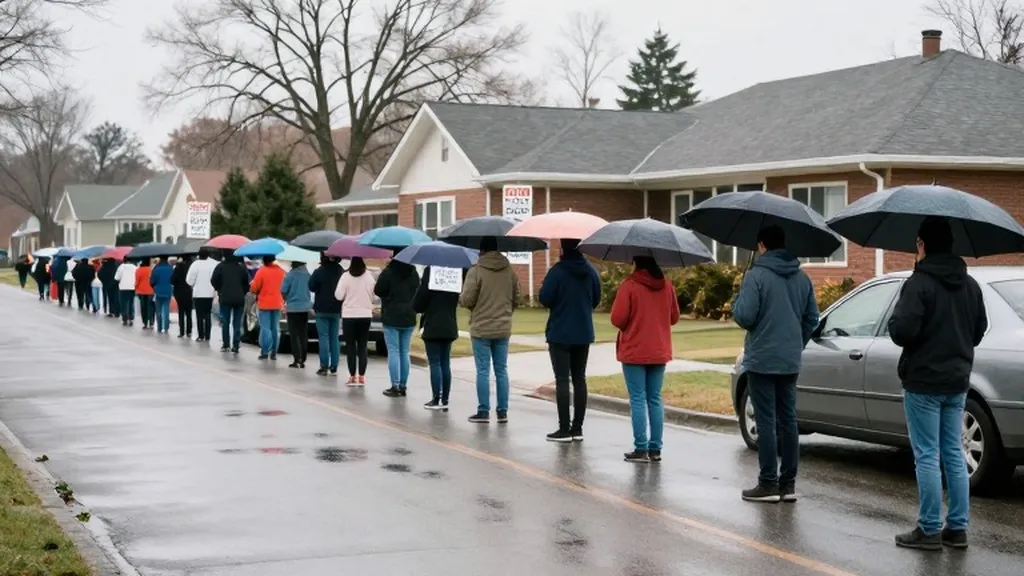
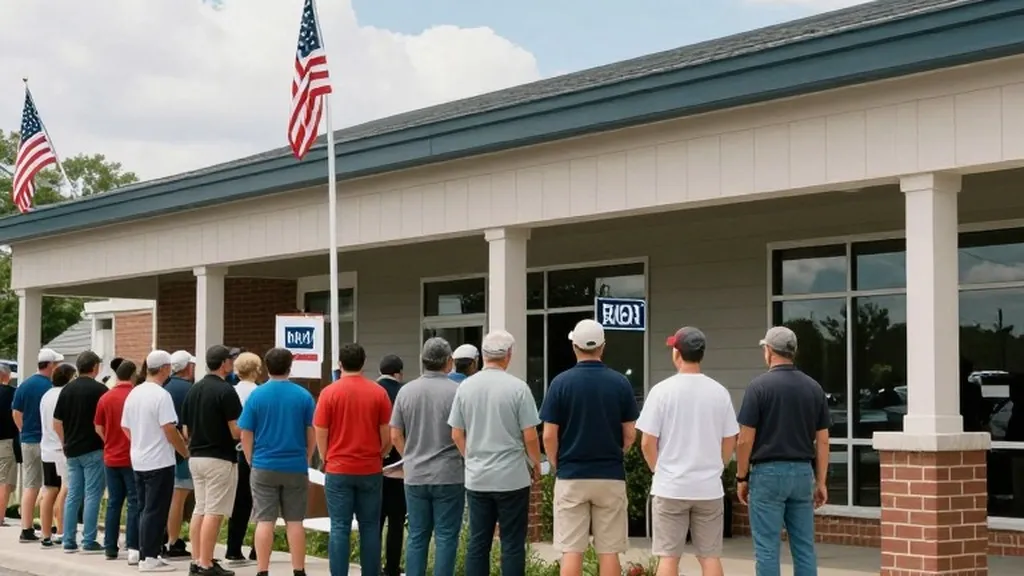
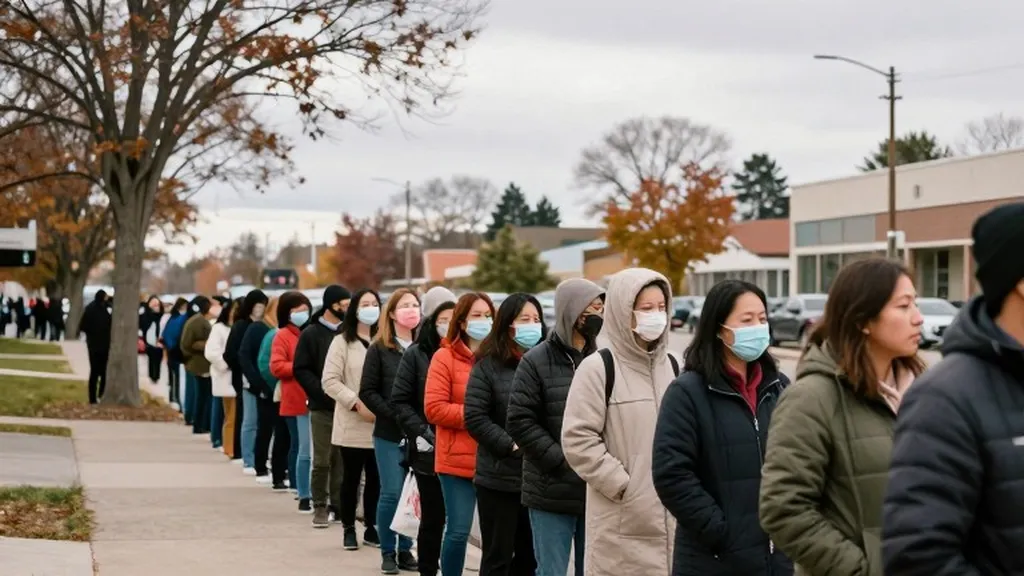
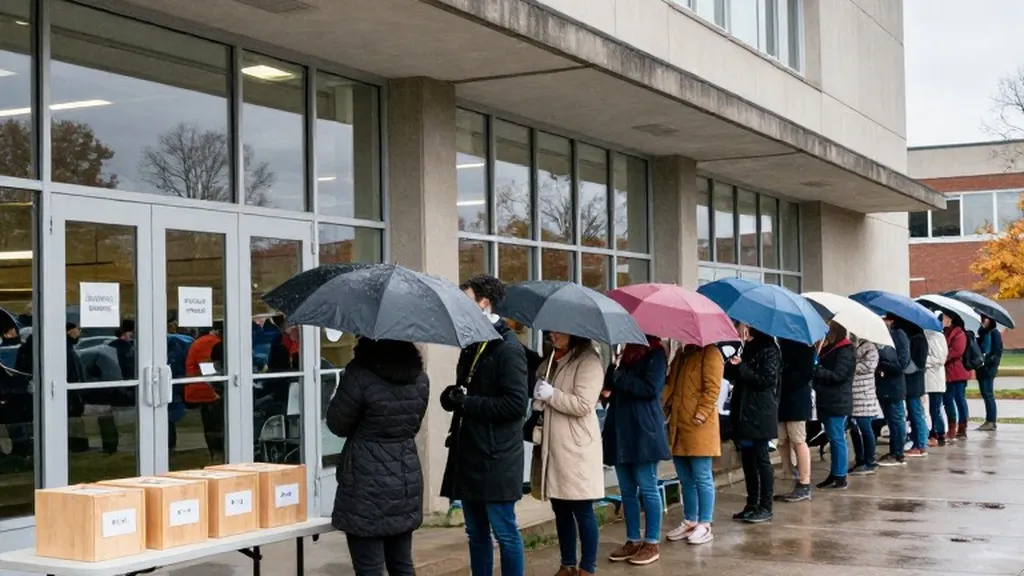
Polling places across the United States opened this morning for the 2026 midterm elections, a decisive contest that determines which party controls Congress during the final two years of President Donald Trump's second term. The Associated Press describes the day as a referendum on the president's performance, with voters grappling with high prices and dissatisfaction over the administration's handling of the war with Iran. More than 57 million Americans had already cast ballots by Monday, surpassing early voting totals from four years ago in many closely watched states.
The stakes for the U.S. Senate are high as 35 seats come up for election, including 33 regular contests and two special elections for the remainder of the terms held by Marco Rubio in Florida and JD Vance in Ohio. Republicans currently hold 53 seats while Democrats hold 45, with two independents caucusing with the minority party. To secure a majority, Democrats must achieve a net gain of four seats, a margin that limits Republicans to losing only two of their currently held positions. Eleven senators, four Democrats and seven Republicans, are not seeking re-election, creating open seats in states such as Iowa, Michigan, Montana, and New Hampshire.
Ballotpedia identifies 13 Senate races as battlegrounds, ranging from the toss-up in Maine to the lean Democratic contest in Georgia. In Maine, Republican Senator Susan Collins faces Democratic former state Senate President Troy Jackson in a race that the Associated Press notes has become competitive due to economic strain and tariffs. In Georgia, Democratic Senator Jon Ossoff runs against Republican Representative Mike Collins. Other key matchups include Republican former Representative Mike Rogers against Democrat Abdul El-Sayed in Michigan, and Republican Attorney General Ken Paxton against Democrat James Talarico in Texas. The Trump administration has also filed a lawsuit in Alaska related to the certification of the Senate result in that state's special election.
Beyond the federal legislature, voters in 36 states will select new governors, a race that could shift the balance of power at the state level. Republicans currently hold 26 governorships and Democrats hold 24, meaning Democrats need a net gain of two offices to take a nationwide majority for the first time since 2010. Nineteen of these races feature no incumbent, as 15 governors are term-limited and others have chosen not to run or lost their primaries. Democrats are defending five governorships in states that Trump won in 2024, including Arizona, Kansas, Michigan, Pennsylvania, and Wisconsin, while Republicans are defending two in states that Kamala Harris won, specifically New Hampshire and Vermont.
Several governor races have drawn national attention for their intensity and the profiles of the candidates. In Georgia, Republican health care executive Rick Jackson faces Democratic former Atlanta Mayor Keisha Lance Bottoms. In Ohio, Vivek Ramaswamy, a former pharmaceutical executive, runs against Democrat Amy Acton, a contest that saw backlash against Ramaswamy over an advertisement featuring Acton's estranged mother. The Associated Press also highlights competitive races in Texas, Florida, and Iowa, where the outcome could influence the broader narrative of state-level control. These state-level decisions carry weight for national policy, as governors wield significant authority over education, infrastructure, and local economic development.
The election landscape is further complicated by new congressional maps in six states following mid-decade redistricting: California, Florida, Missouri, North Carolina, Tennessee, and Texas. Ohio is also using a new map. These changes have altered the political geography of districts, with 21 Democratic-held House districts having voted for Trump in 2024 and nine Republican-held districts voting for Kamala Harris. Republicans are bracing for the possibility of losing the House, where all 435 seats are up for grabs. Democrats currently hold 214 seats and need a net gain of three to take control, while Republicans can afford to lose no more than two to maintain their majority of 218.
Economic anxiety drives much of the voter sentiment heading into this election day. AP-NORC polling indicates that 35 percent of U.S. Adults approve of Trump's job performance, while only 25 percent approve of his handling of the economy. About seven in 10 adults say the country is heading in the wrong direction, with most blaming the president for high prices. James Moore, a 57-year-old librarian in Raleigh, North Carolina, said that he is paying more for taxes, health care, and everyday goods. This financial stress contrasts with the optimism expressed by some Republican supporters, such as Mark Barker of Palm Beach Gardens, Florida, who said he believes Trump is doing an awesome job.
Campaign finance data suggests this will likely be the most expensive election in history. Republican committees have outraised and outspent Democratic committees, aided by Trump-affiliated groups and billionaire Elon Musk. However, at the candidate level, Democrats have outraised their opponents. Analysis of AdImpact data shows that 88.1 percent of Republican general election television ad spending went to states and districts that Trump won in 2024, including more than $850 million in districts where his margin was 10 points or more. This strategy reflects the Republican goal of protecting their base in solidly Republican areas while trying to hold the Senate.
Administrative challenges have added tension to the election process. A federal judge temporarily barred the Trump administration from implementing a plan to prevent noncitizen voting, a move critics say risks disenfranchising eligible voters. The administration also faced a court order to stop demanding that California election officials segregate ballots cast by people on lists of suspected noncitizens. To ensure mail ballots are counted on time, the U.S. Postal Service added extra hours, staff, and special processing lines. These legal and logistical hurdles have raised concerns among Democrats about potential interference, while Republicans argue the measures are necessary to ensure election integrity.