Voting Today: Poll Hours, ID Rules and Mail Ballot Deadlines
A practical guide to navigating Election Day logistics, including state specific hours, identification requirements, and the status of mail-in ballot processing.
By Lina Lewis ·
Election Day is here for the 2026 midterm elections, with polls open across the nation for the first full day of voting. More than 57 million people had already cast their ballots as of Monday, a figure that surpasses the early vote totals from four years ago in many closely watched states. Despite the high volume of early voting, millions of voters are heading to polling places today to finalize their choices for the U.S. House, U.S. Senate, and governorships. The day is critical for determining which party controls Congress for the final two years of President Donald Trump's second term.
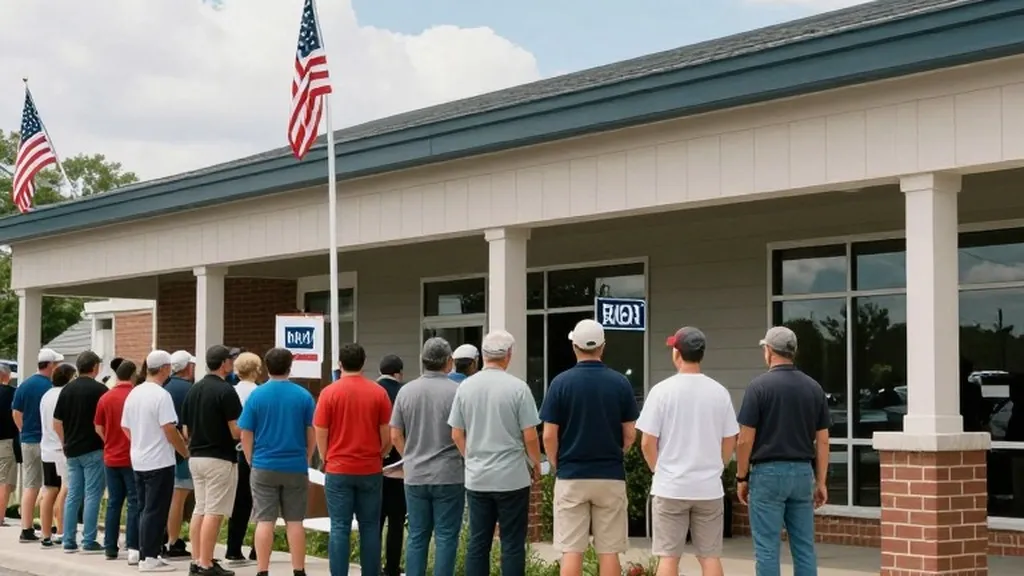
Before heading to the polls, voters are advised to confirm their specific polling place and hours, as these vary significantly by state. The easiest way to find this information is through vote.gov or the local state election office website. For example, voters in New York have an extended window, with polls opening at 6 a.m. And closing at 9 p.m. Local time. In contrast, voters in Kentucky must arrive before 6 p.m. To cast their ballot. In states like California and Colorado, which rely heavily on mail voting, polls are open from 7 a.m. To 8 p.m. And 7 a.m. To 7 p.m., respectively, but serve a smaller portion of the total electorate.
Identification rules are another logistical hurdle that varies by jurisdiction. The Associated Press notes that voters should check their specific state rules before arriving at the polling place. Some states require a photo ID, while others accept non-photo identification or allow voters to sign an affidavit if they do not have a document on hand. Confusion over these requirements can lead to temporary delays, so officials recommend bringing a government-issued ID or a utility bill if the state permits non-photo forms. This preparation helps ensure a smooth check-in process for voters who have not previously voted in the location.
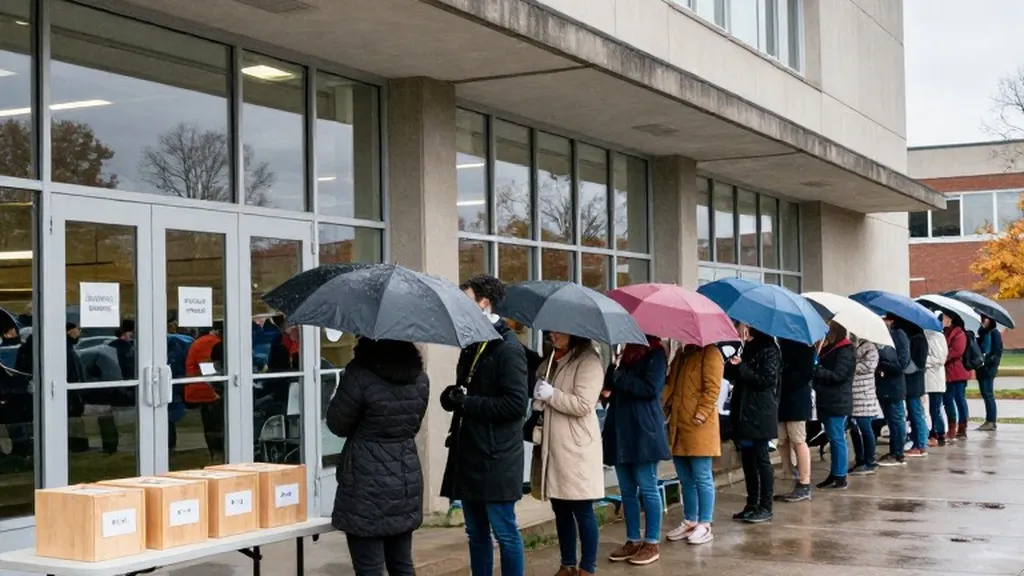
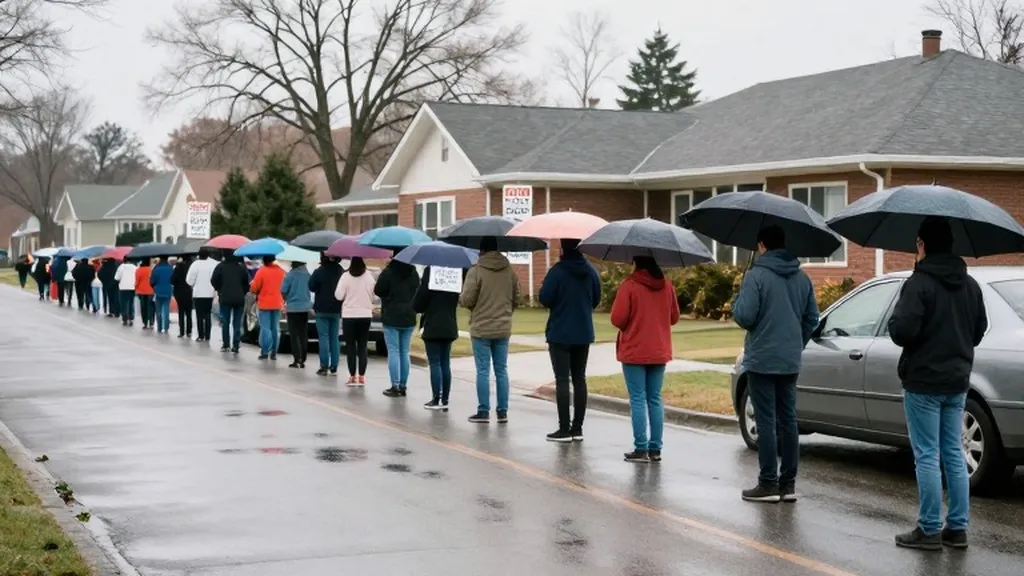
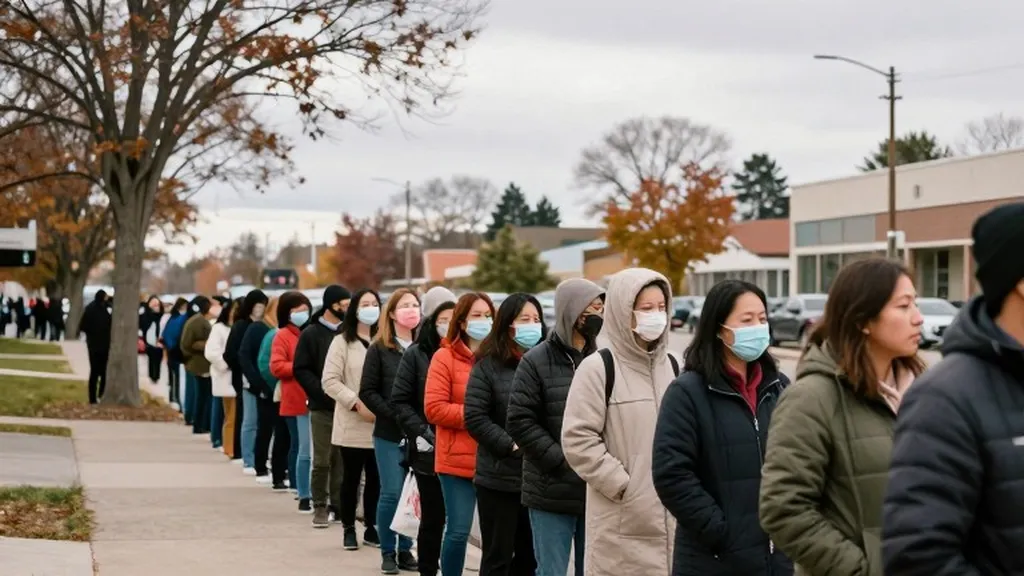
Timing is a critical factor for those who arrive near the end of the polling window. A key rule that applies across most jurisdictions is that anyone who is in line when the polls close is entitled to vote. This means that a voter who joins the queue at 7:59 p.m. In a state with a 7 p.m. Closing time will still cast a ballot, provided they were in line before the official close. This rule can significantly impact the length of lines in the final hour of voting, as latecomers join the tail of the queue. Voters are encouraged to arrive early if possible to avoid the rush, but those who arrive late should not leave the line until their turn comes.
For voters who did not vote early, the mail ballot process remains active in several states, although the timeline is tight. The U.S. Postal Service has added hours, staff, and special lines to help ensure that mail ballots are counted on time. In states like Oregon, Utah, and Washington, the election is largely conducted by mail, with polling places open until 8 p.m. Or 7 p.m. To accommodate those who wish to vote in person. The Postal Service's efforts are aimed at mitigating the risk of late-arriving envelopes, which can be a source of concern in close races. Voters in these states should ensure their envelopes are postmarked or dropped off at an official collection site by the deadline set by their local election office.
The administrative side of the election has seen some legal developments in the days leading up to today. A federal judge on Monday temporarily barred the Trump administration from carrying out a plan to prevent noncitizen voting, a move that critics say risks disenfranchising eligible voters. Additionally, a judge ordered the administration to stop demanding that California election officials segregate ballots cast by people on lists of suspected noncitizens. These rulings aim to ensure that the voting process proceeds with minimal federal interference, allowing state officials to manage the day-to-day operations of the election. The Associated Press notes that these legal moves are part of a broader effort to protect the integrity of the vote while respecting state authority.
Voters are also keeping an eye on the economic and political issues that dominate the campaign trail. The Associated Press describes the election as a referendum on the president's second term, with many voters expressing frustration over high prices and the ongoing war with Iran. Polling from the AP and NORC indicates that 35% of U.S. Adults approve of the president's job performance, while about 7 in 10 say the country is heading in the wrong direction. These sentiments are driving turnout, with both parties urging their supporters to vote in large numbers. Republicans are bracing to lose the House, while Democrats are cautiously optimistic about their chances in the Senate.
The financial aspect of the election is also a record-setting event. The 2026 elections are likely to be the most expensive in history, with Republican committees out-raising and out-spending their Democratic counterparts at the national level. However, at the candidate level, Democrats have out-raised their opponents in many districts. The Associated Press analysis of advertising data shows that 88.1% of Republican general election TV ad spending went to states and districts that Trump won in 2024. This heavy spending is intended to solidify support in key areas, while Democrats focus on battleground districts where the outcome is uncertain. The money is working its way into the final days of campaigning, with rallies and advertisements reaching voters in states like Kansas, Georgia, and Michigan.