Trump's Rallies and Distance Define Midterm Strategy
With approval ratings low and fraud claims persisting, the president is urging voters to treat him as a candidate while many nominees maintain a careful buffer.
By Kwame Silva ·
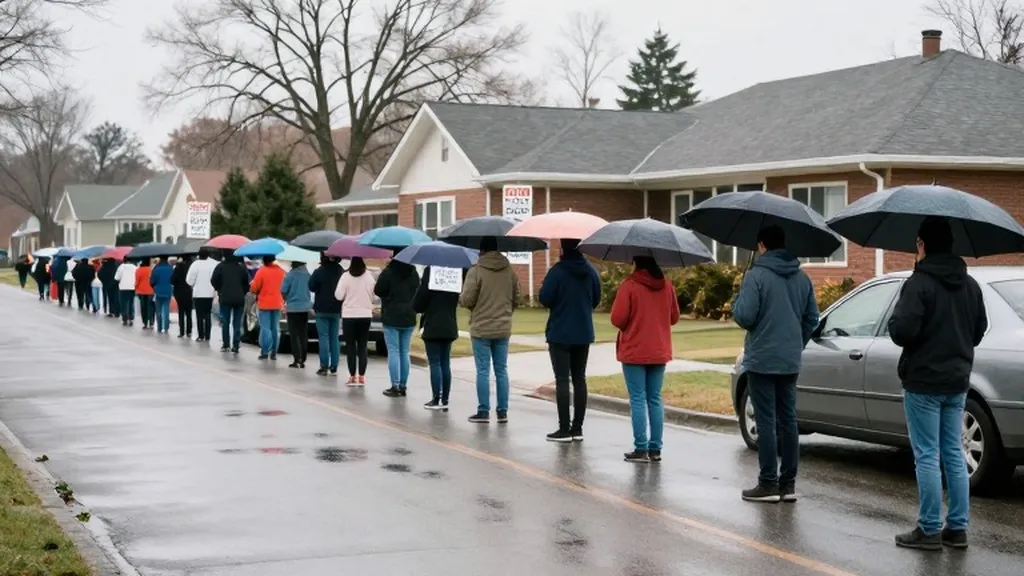
The political atmosphere on Tuesday, November 3, 2026, is defined by the intense focus on President Donald Trump's influence over the midterm elections. The Associated Press describes the day as a referendum on the second term, with voters grappling with high prices and dissatisfaction regarding an unpopular war with Iran. This sentiment is reflected in recent polling data, which shows that only 35 percent of U.S. Adults approve of the president's job performance. Additionally, just 25 percent approve of his handling of the economy, while about seven in ten adults believe the country is heading in the wrong direction. Most respondents in this poll blame the president for the rise in consumer costs.
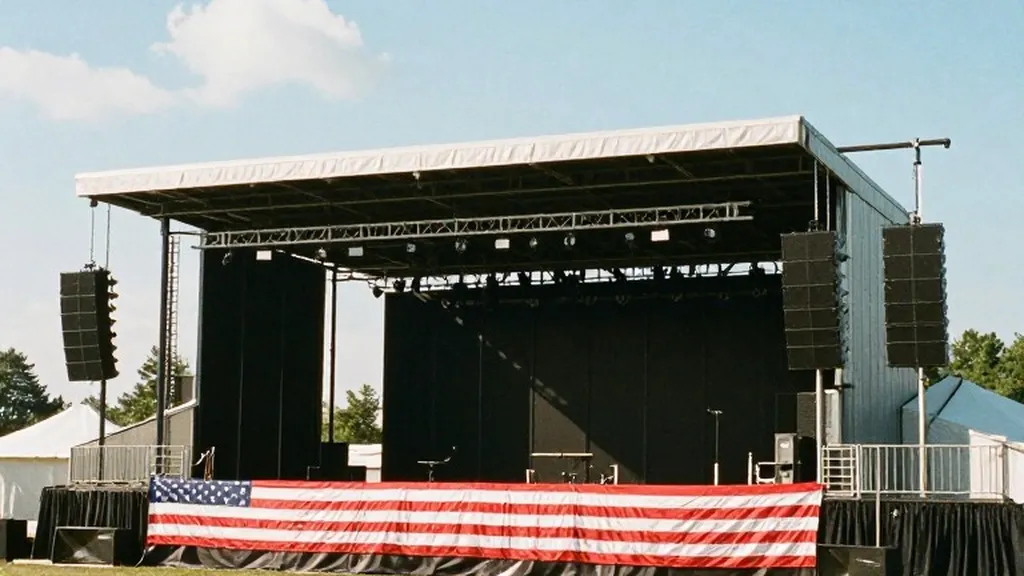
Trump has remained highly active in the campaign cycle, holding dozens of rallies across the country. His schedule included stops in Mississippi, South Carolina, and Texas, culminating in a major event in Salina, Kansas, on Sunday. At that rally, the president explicitly asked the crowd to engage with the election in a specific way. He told the audience, "I really want you to pretend I'm on the ballot." This request highlights the central role he plays in the narrative of the election, even though his name does not appear on the ballots in most districts.
Despite the president's high visibility, many Republican candidates have chosen to keep their distance from him. This strategic spacing is a calculated move to appeal to independent voters and moderate Republicans who may be wary of the president's polarizing presence. The Republican National Committee Chairman, Joe Gruters, emphasized the importance of voter turnout in this context. Gruters stated, "Everything depends on turnout. If we turn out our voters, we win, and that's what we've been planning for." This approach suggests that while Trump is the central figure in the national conversation, the candidates are focusing on mobilizing their base to secure victories in key districts.
The financial aspects of the election also reflect the divide in strategy. The 2026 elections are likely to be the most expensive in history. Republican committees outraised and outspent Democratic committees, largely due to support from Trump-affiliated groups and Elon Musk. However, at the candidate level, Democrats outraised their Republican opponents. A significant portion of Republican spending, specifically 88.1 percent of general election TV ad spending, went to states and districts that Trump won in 2024. This included more than 850 million dollars in districts where he won by ten points or more, indicating a focus on securing wins in areas where his support is strongest.
In contrast, the Democratic Party is adopting a strategy that leans on the public's dissatisfaction with current conditions. DCCC Chair Rep. Suzan DelBene captured this mood with the statement, "The American people are angry. They want change." Democrats are "cautiously optimistic" about their chances, particularly in the House, where they need a net gain of three seats to secure a majority. The party is leveraging the narrative of economic strain and the president's low approval ratings to motivate their base and attract independent voters who are frustrated with the status quo.
The issue of voting fraud has also become a significant factor in the election. Trump has continued to make claims about voting fraud, including the assertion that noncitizens vote in large numbers. His administration has filed lawsuits in states like Alaska and California, and the Justice Department has threatened to prosecute local election officials. These actions have led to fears among Democrats of interference and intimidation. A federal judge temporarily barred the administration from carrying out a plan to prevent noncitizen voting, citing risks of disenfranchising eligible voters. This legal battle adds another layer of complexity to an already tense election day.
Voters across the country are expressing their views on the president's performance. Mark Barker, a voter from Palm Beach Gardens, Florida, said, "I've just been following Trump the whole time. I really think he's doing an awesome job." This sentiment is shared by many supporters who view the president's actions as a necessary response to domestic and international challenges. On the other hand, James Moore, a 57-year-old librarian in Raleigh, North Carolina, offered a different perspective. Moore stated, "I'm paying more taxes. I'm paying more for my healthcare. I'm paying more for everything." These personal anecdotes illustrate the deep divide in public opinion and the varying impacts of the administration's policies on different segments of the population.
The stakes of the election are high for both parties. If Democrats win even one chamber, investigations and possible impeachment proceedings become likely. House Democratic Leader Hakeem Jeffries, who would be the first Black speaker if his party takes the House, has outlined a 100-day agenda focused on the cost of living and oversight. A strong Democratic night would also boost potential 2028 candidates such as Gavin Newsom, JB Pritzker, and Pete Buttigieg. For Republicans, the goal is to beat the typical midterm pattern where a president's party loses seats. They have used redistricting to their advantage, but new district maps in states like Florida and Ohio may not vote as intended.
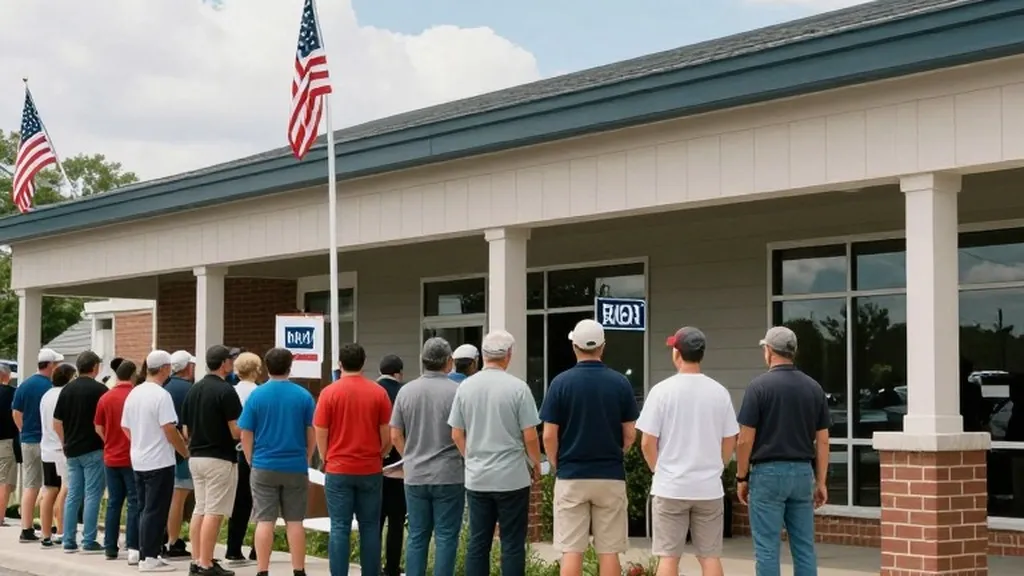
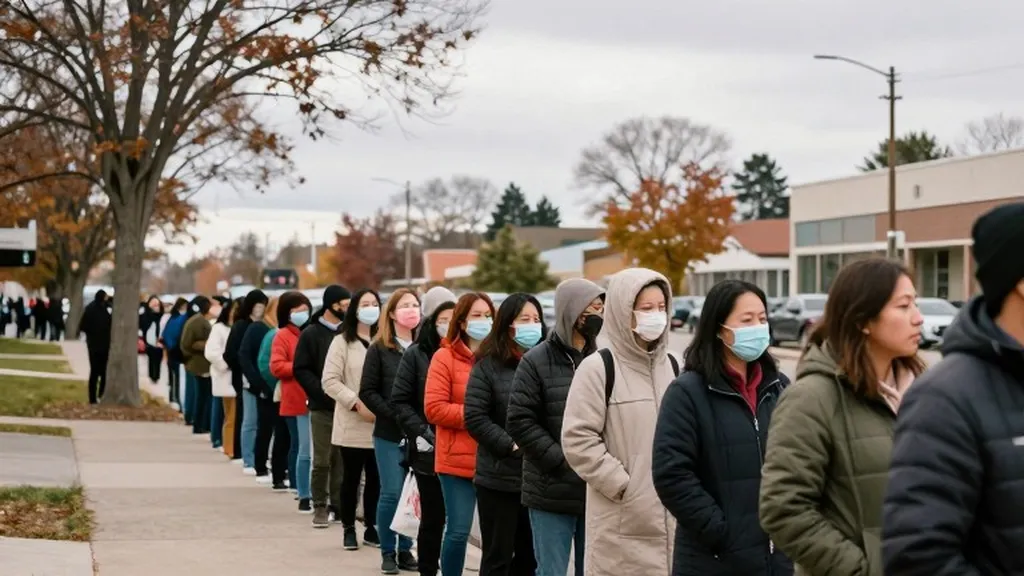
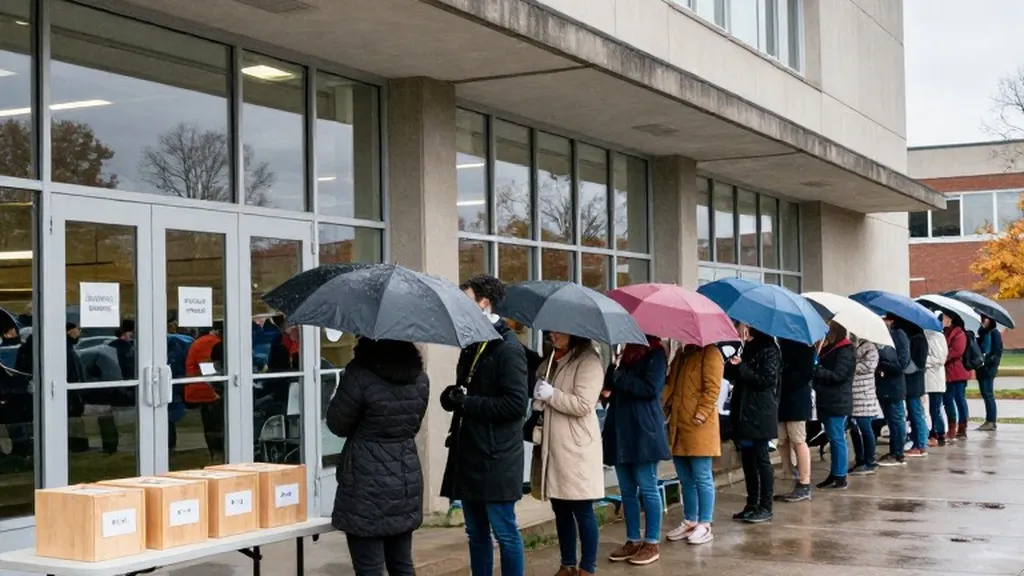
As polls open across the country, more than 57 million people have already voted, surpassing the early vote totals from four years ago in many closely watched states. The U.S. Postal Service has added hours, staff, and special lines to ensure that mail ballots are counted on time. Wall Street is also closely monitoring the results, as Reuters notes that the outcome could impact investor concerns about AI spending and debt ceiling negotiations. The election is not just about controlling Congress but also about the direction of the nation in the president's final two years.