Tesla FSD Metrics: Counting Methods and Pay Ties
Tesla reports 1.74 million active FSD subscriptions, a figure that includes upfront buyers and aligns with CEO compensation milestones.
By Sakura Novak ·
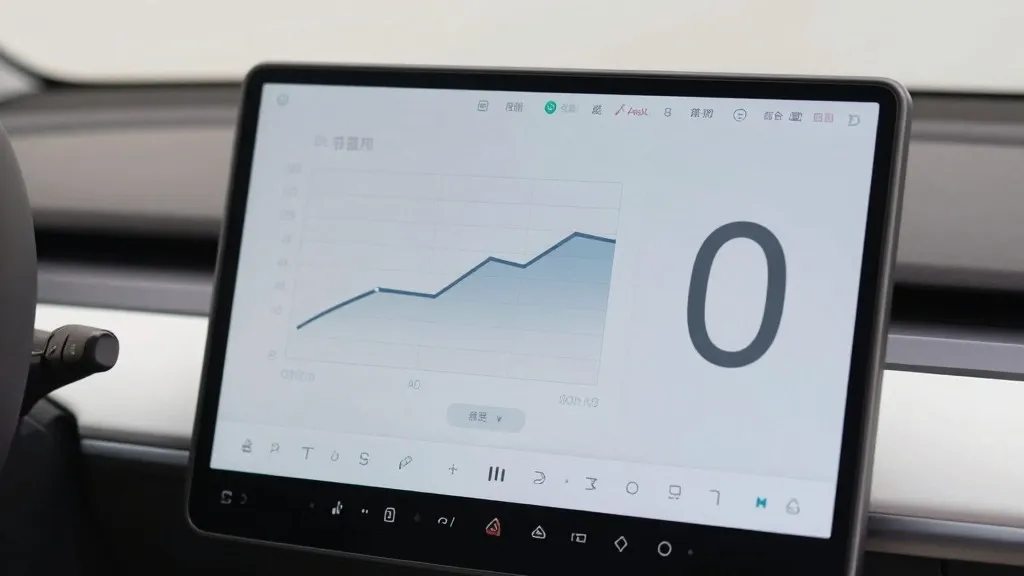
Tesla reported 1.74 million active Full Self-Driving subscriptions in its Q3 2026 shareholder letter. This number represents a 67% increase from the same period last year. The company presented this as its primary software performance indicator. However, the definition of active subscription is specific. It includes both monthly paying customers and those who bought the software outright.
This counting method is not accidental. It follows the terms of the 2025 CEO Performance Award. That pay package requires Elon Musk to reach ten million active FSD subscriptions. By counting upfront buyers, Tesla expands its total pool significantly. Owners who paid up to $15,000 years ago still count. The only excluded group is customers on free trials. This approach ensures that past sales contribute to current milestone progress.
Tessla stopped selling FSD as a one-time purchase on February 14, 2026. New customers in the US can now only access the feature through a monthly subscription. The price is set at $99 per month. Despite this shift in sales strategy, the historical base of upfront buyers remains in the active count. As long as their vehicles are active, these owners are included in the 1.74 million total.
The company has not disclosed how many of these users pay a monthly fee. In April, Tesla reported a similar metric at 1.28 million. Six months later, the breakdown between monthly subscribers and upfront owners remains unclear. This lack of detail makes it difficult for investors to gauge recurring revenue. The ambiguity exists because the metric is tailored to meet a specific executive compensation trigger rather than standard financial reporting norms.
Similar alignment with the pay package appears in Tesla’s cumulative delivery numbers. The total now stands at 10.2 million vehicles. This figure includes unsupervised robotaxis placed into commercial operation. This matches the 20 million vehicle milestone required for Musk’s award. The consistency suggests a deliberate strategy to report metrics that align with executive performance goals. It prioritizes milestone achievement over granular financial segmentation.
Tesla also highlighted a 75% attach rate for FSD in North America. This means 75% of new deliveries included an FSD subscription in Q3. The company noted this was a nearly 20 percentage point increase from the previous quarter. Tesla claims FSD is driving demand in available markets. However, the letter does not define how the attach rate is calculated. It is unclear if introductory offers are included or how many buyers remain after initial periods.
The road to ten million active subscriptions remains long. Tesla added 260,000 net FSD subscriptions in Q3, its best quarter to date. At this current pace, reaching ten million would take about eight years. If the company maintains its average of roughly 700,000 additions per year, the timeline extends to twelve years. The compensation award remains in effect until 2035. This provides a long window for these targets to be met, but the current trajectory suggests a slow climb.
Analysts note that counting upfront buyers is not inherently incorrect. Those cars do have the software. The issue lies in labeling them as subscriptions. This terminology implies ongoing monthly revenue that may not exist for a large portion of the base. The metric serves as proof of momentum for the executive team. It also sets the stage for future earnings calls where retention data may become a focal point. Investors are likely to push for clarity on the monthly paying segment.
The 2025 award consists of twelve tranches. Each requires specific market cap and operational milestones. Beyond deliveries and FSD, the list includes one million Optimus robots and one million robotaxis. As of June 30, Tesla considered only the 20 million delivery milestone probable. The other targets remain distant. The FSD metric is now central to the company’s narrative. It bridges the gap between hardware sales and software monetization.
Transparency remains the key question. The board approved this definition, and the CEO’s pay depends on it. Tesla knows the exact number of monthly payers. Until that number is released, the 1.74 million figure will be viewed with a mix of optimism and caution. The attach rate offers a different angle. If 75% of new buyers adopt FSD, it signals strong product-market fit. But retention data is needed to confirm if this is a sustained business model or a temporary spike in interest.
More Business · Consumer Watch · Report a business · Got a Story?