End of 2026: Tesla Locks In Cybercab Delivery Deadline
Tesla confirms its two-seater robotaxi will reach private customers before December 31, 2026, though most units will remain in the company's own fleet.
By Sakura Novak ·
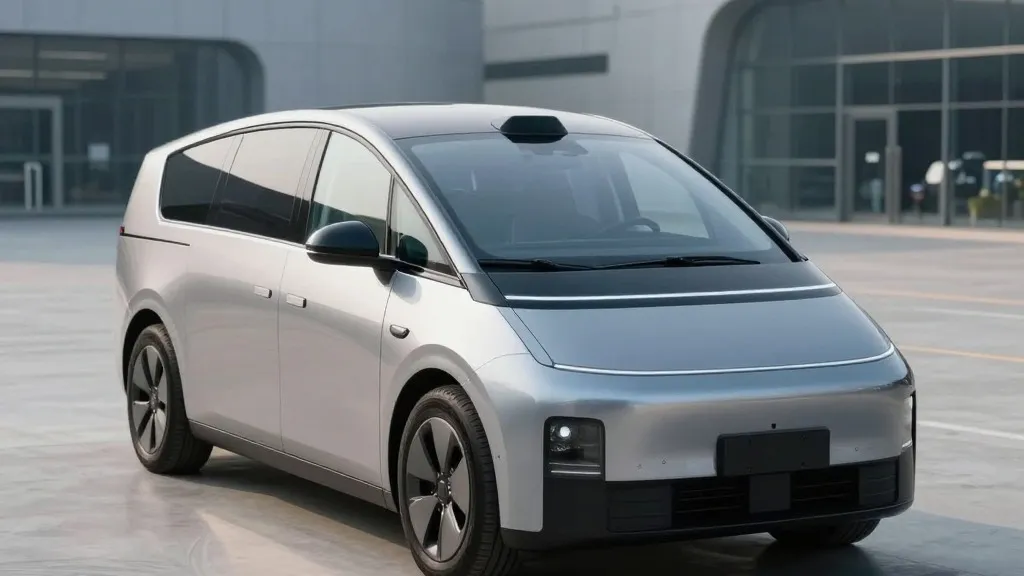
2026. That is the definitive year Tesla has committed to for delivering its purpose-built Cybercab to private customers, a timeline announced during the company's third-quarter earnings call on October 21. This specific target date puts an end to months of speculation regarding when the fully autonomous, two-seater vehicle would become available for purchase outside of the corporate fleet.
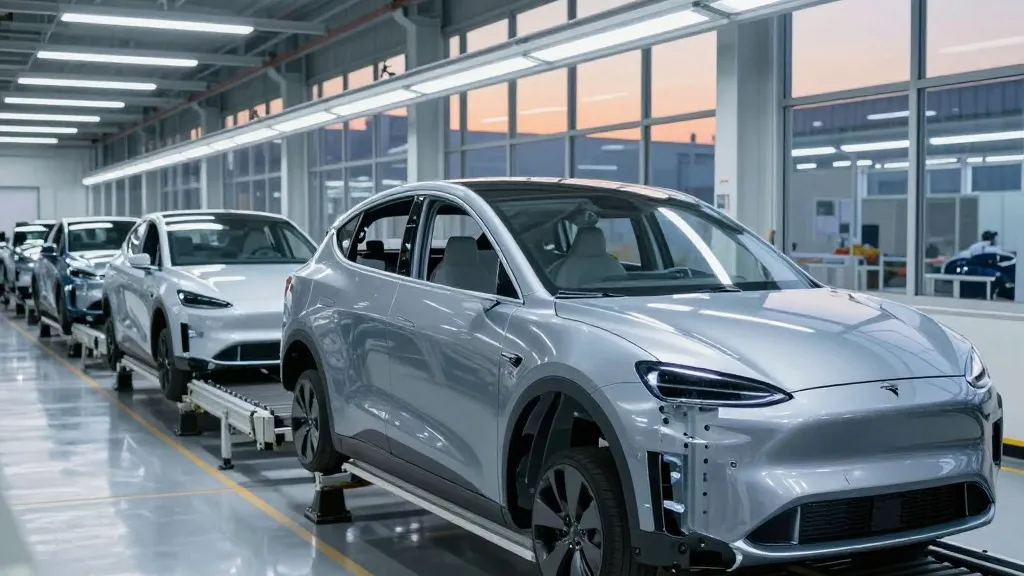
Vice President of Engineering Lars Moravy provided the primary update during the call, stating that the company is aiming to get Cybercabs into the hands of customers before the year ends. He confirmed that production is currently active on the line at Gigafactory Texas, but noted that every unit rolling off the assembly line is currently being directed into Tesla's internal Robotaxi fleet rather than being sold to the public.
Moravy explained the strategic reasoning behind this initial allocation. As operations scale, the plan is to mainly deliver fully designed autonomous vehicles to customers, with the Cybercab serving as the first of its kind. However, initial private deliveries are expected to start in small numbers. This cautious approach allows the company to gain critical experience in delivery logistics, ownership models, and the complexities of fleet management while operating autonomous vehicles outside of its direct, immediate control.
CEO Elon Musk reinforced the limited scope of these private sales, clarifying that the Cybercab is primarily designed as a "transport-as-a-service" offering. He distinguished it from traditional personal ownership vehicles like the Model 3, Model Y, or the upcoming Roadster. Musk stated, "The vast majority of the Cybercab stuff will be Tesla-owned and transport-as-a-service," signaling that while individual ownership is possible, it will not be the dominant sales channel for this specific model.
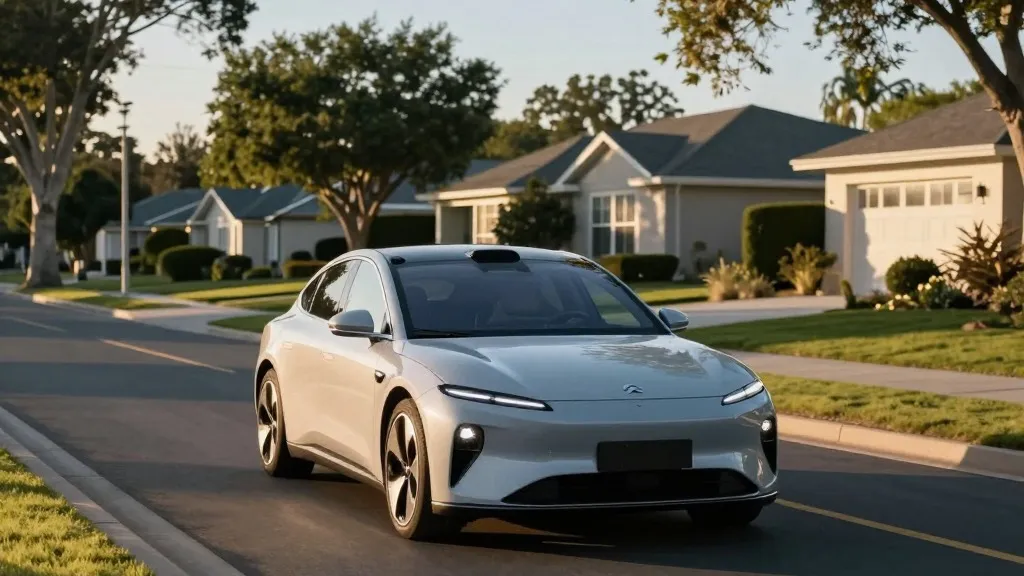
The vehicle itself represents a significant departure from Tesla's previous designs. The Cybercab is a two-seater that eliminates both the steering wheel and pedals, relying entirely on Tesla’s Full Self-Driving suite for operation. Production of the vehicle began in February of this year, and early units were integrated into the Tesla Robotaxi service as of early September, coinciding with the launch of public rides.
Price has remained a key factor in the vehicle's strategy, with Tesla previously indicating it would aim to sell Cybercabs for approximately $30,000. This pricing point positions the vehicle as an accessible entry into autonomous transportation, potentially making it more attractive to fleet operators or individual buyers seeking a low-cost, maintenance-free ride compared to traditional automotive options.
Looking ahead, the broader rollout of autonomous technology continues to progress. Ashok Elluswamy, Tesla’s Head of AI, indicated during the same call that unsupervised Full Self-Driving is expected to ship to consumer cars during the second quarter of 2027. This suggests that while the Cybercab will be the first fully autonomous vehicle delivered to customers, the technology will soon permeate the rest of Tesla's lineup.
Despite the confirmed delivery date, some hurdles remain. Early buyers or fleet operators may receive vehicles whose autonomous operation remains geographically restricted. These limitations are largely due to lagging regulatory agencies that are still catching up to the pace of technological development. As Tesla moves toward the end of 2026, the focus will shift from manufacturing capacity to the logistical and regulatory challenges of putting these driverless vehicles into private hands.
The announcement marks a pivotal moment for Tesla's transition from a traditional automaker to a mobility services provider. By securing a delivery date before year-end, the company has set a clear benchmark for its autonomous ambitions. The coming months will test not only the vehicle's reliability but also Tesla's ability to manage a hybrid model of fleet operations and private sales simultaneously.
More Business · Consumer Watch · Report a business · Got a Story?