Warhound Launches $200 Million Push to Clone Superior Military Dogs
A new venture backed by tech leaders aims to produce genetically optimized canines for defense roles by early 2027.
By Sakura Novak ·
The composition of the United States military's working dog corps is set to undergo a significant shift as a new startup begins the process of cloning animals with selected genetic traits. Warhound, a recently funded company, has secured $200 million to breed dogs specifically engineered for military and law enforcement duties. For the first time, the animals deployed on battlefields and in search-and-rescue missions may be the result of deliberate genetic modification rather than traditional selective breeding alone.
The venture is a joint initiative involving Ben Lamm of Colossal Biosciences and Palmer Luckey, the founder of Anduril. According to Lamm, the company has already begun editing the genes of cell samples taken from its initial group of donor dogs. These donors were chosen from top-performing military, police, and first responder dogs across the United States. The primary breeds included in this first cohort are Belgian Malinois, with smaller numbers of Labradors and Shepherds.
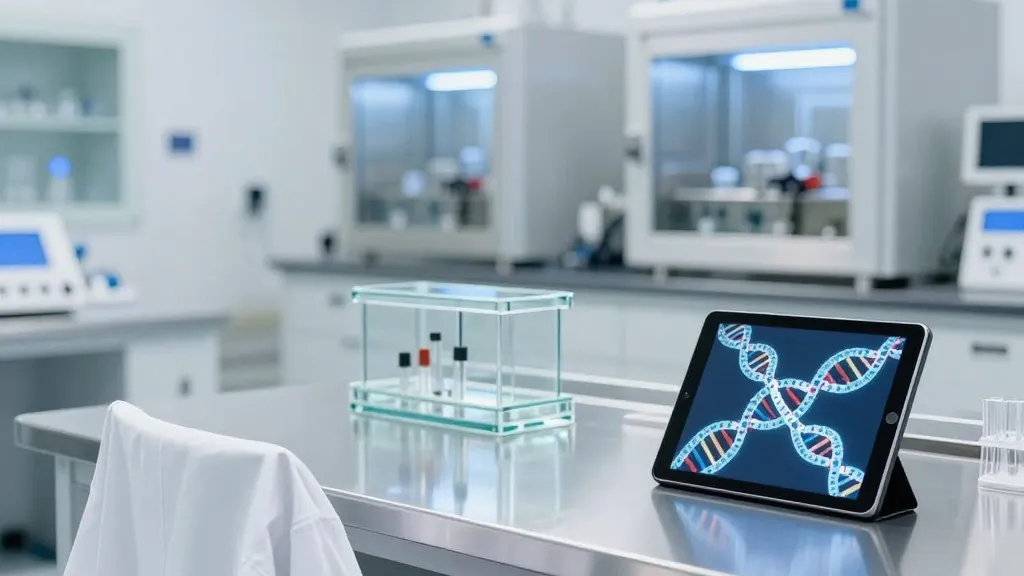
The initial scientific focus is on reducing the prevalence of common health issues associated with these breeds, such as hip dysplasia and certain types of cancer. Scientists at Colossal are tasked with modifying the animals' DNA and subsequently cloning them. While the current priority is health, Lamm indicated to TechCrunch that future enhancements could improve the animals' physical capabilities, potentially making them faster, more agile, or better at scent detection.
The leadership team brings high-profile experience from the technology and defense sectors. Luckey is known for founding Oculus VR and designing the Oculus Rift headset. His defense firm, Anduril, has recently won a US Army contract to build a next-generation battlefield intelligence system in partnership with Palantir. Previously, Anduril collaborated with OpenAI in 2024 to develop artificial intelligence for the Pentagon. Lamm's Colossal Biosciences is recognized for its de-extinction efforts, including projects aimed at reviving the dire wolf and the woolly mammoth.
The division of labor between the partners is clear. Anduril is responsible for the equipment side of the operation, while Colossal handles the biological engineering. For now, the project does not involve creating cyborg dogs. Instead, Anduril will design the tools and software intended to protect the animals during work. This includes the development of specialized gear such as goggles, vests, and body armor.
The ownership structure of Warhound is distinct from its public partnerships. Although Luckey is a partner in the business, neither he nor Anduril holds an equity stake in the startup. Colossal Biosciences does hold equity, and Lamm serves on the company's board. The day-to-day leadership is held by CEO David Spirk, who previously worked at Palantir.
The first batch of these genetically engineered dogs is expected to be born in early 2027. Once born, the animals will undergo training for the same types of jobs that current working dogs perform. These roles include bomb detection and assistance in search-and-rescue operations. This timeline suggests that the first generation of these modified animals could be deployed within the next eighteen months.
This development marks a new phase in how the US military procures its biological assets. By combining advanced genetic editing with high-tech equipment, Warhound aims to create a workforce of canines that are both healthier and better equipped than their predecessors. The success of this project will depend on the ability to integrate biological innovation with practical field gear.