New venture aims to build better military dogs with tech and genetics
A startup backed by major investors plans to use gene editing and advanced gear to create dogs that are healthier and better suited for dangerous missions.
By Lina Lewis ·
A new company called Warhound has officially emerged from stealth mode to announce a $200 million funding round. The venture aims to design and produce genetically engineered dogs for the U.S. military, law enforcement, and emergency response teams. The investment was led by Sequoia, 8VC, Corner Ventures, and In-Q-Tel, a venture firm supported by U.S. intelligence agencies. This round places the startup’s valuation at $1.2 billion.
The core idea behind the company is to address a growing gap in the supply of working dogs. Currently, more than 80% of the U.S. military’s working dogs come from Europe. Furthermore, fewer than half of those imported dogs are deemed fit for service upon arrival. This reliance on foreign sources means the domestic supply is shrinking, leaving the U.S. dependent on other nations for animals that play a critical role in defense and public safety.
Warhound’s founders believe they can solve this problem by engineering dogs with specific traits suited to demanding missions. The dogs do not exist yet, but the plan is to use gene editing to enhance health, longevity, and performance. The team is focusing on traits such as speed, agility, and improved olfactory senses for tasks like bomb detection. The goal is to create a new type of dog that is better equipped for the physical and mental stresses of the job.
The project began when Colossal Biosciences’ Ben Lamm met Anduril’s Palmer Luckey about a year ago at a conference. Luckey expressed a desire for more innovation in the area of military working dogs. The two stayed in touch, and Lamm began researching how these dogs are currently bred. He found that many dogs fail training due to inherited issues like poor eyesight, cancer risks, hip dysplasia, or muscle atrophy. Lamm believes these genetic weaknesses can be corrected to create more robust animals.
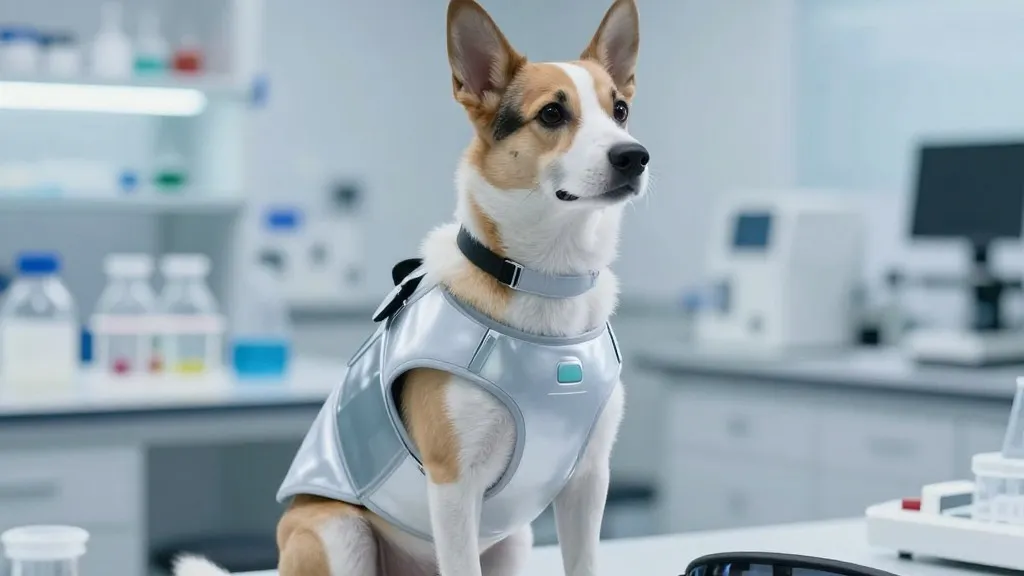
To achieve this, the team is studying top-performing breeds, specifically the Belgian Malinois and the German Shepherd. They are collecting cell lines from these dogs and storing them in a biobank. From there, scientists will edit the genes by adding traits that improve performance and removing those that cause problems. Meanwhile, Anduril will provide the hardware and software component of the system. This includes protection vests and goggles that offer situational awareness to both the dogs and their handlers.
Lamm described the Anduril gear as a way to make the dogs safer without altering their biology further. He cited examples like bulletproof vests embedded with data sensors that send real-time information to handlers. This technology allows the human team to better understand what the dog is experiencing during an operation. The combination of genetic enhancement and external technology is designed to protect the dogs and, by extension, their human handlers.
In terms of ownership, Luckey is a partner in the venture but does not hold equity. Colossal Biosciences owns equity and supports the project by licensing its technology. Colossal is currently known for its efforts to de-extinct animals like the dodo and the mammoth. They are using AI and gene cloning technology to help identify and copy animal genes, a process that Warhound will now apply to working dogs.
The first batch of dogs is scheduled to be cloned and incubated soon. Births are expected in early next year, with the hope that these animals can begin service within two years. Viagen, another company owned by Colossal, will partner with Warhound to handle the cloning process. Lamm noted that Viagen’s technology has a high success rate, which is already used in programs to protect endangered species. The company has not yet determined the final price for the dogs, but it expects to sell to first responders, the Department of Defense, and police forces.
Questions about civilian safety and government approval have been addressed by Lamm. He said the company has briefed many government groups and that each dog will be trained like any standard military working dog. To ensure ethical treatment, Warhound is working with the American Humane Society to certify its training program. The society stated that it looks forward to helping ensure the animals are treated humanely. Additionally, there is a hope that when these dogs retire, they will enter the society’s reunification program to find loving homes.