Apple Hides a Functional iPod Clone in Its Music Platform
The tech giant embedded a clickable replica of its iconic 2001 music player into its web error pages to mark the device's silver anniversary.
By Sakura Novak ·
A forgotten piece of tech history just surfaced on one of the internet's most visited domains.
Apple has quietly deployed a hidden digital tribute on its music platform to commemorate the twenty-fifth anniversary of the original iPod. The company first unveiled the device on October 23, 2001, and today's feature serves as a direct reference to that launch date. The addition was identified by a user on X who goes by the name Kian. This discovery highlights how the corporation still values the cultural impact of its early hardware lineup, even in an era dominated by streaming services and smartphones.
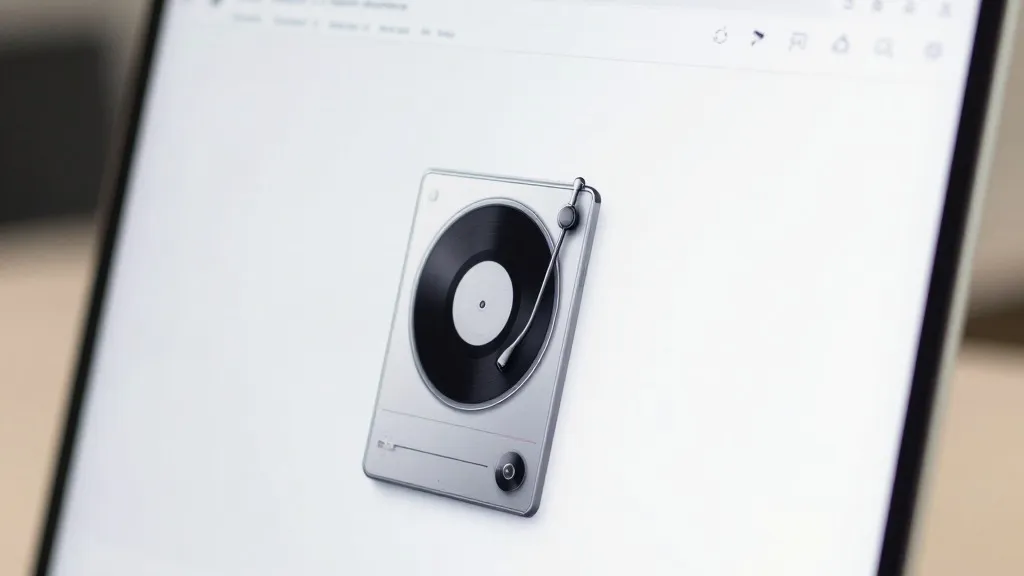
The primary mechanism for accessing this feature involves navigating to a non-existent address within the Apple Music website. Visitors can type music.apple.com/ipod or append any random string of characters to the main domain. Instead of displaying the standard error message that typically appears for missing pages, the browser renders a visual replica of the classic player. This unexpected appearance transforms a common web navigation mistake into an interactive experience for those who stumble upon it or seek it out intentionally.
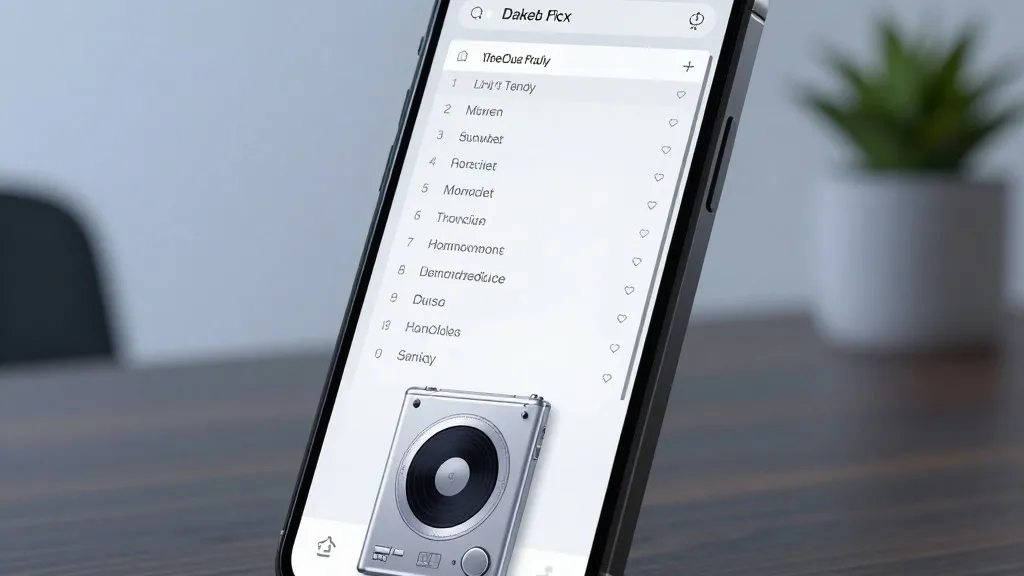
The digital representation is far more than a static image. The interface allows users to interact with the on-screen buttons to navigate through a collection of pre-loaded tracks. The scroll wheel, a defining characteristic of the original hardware, is also fully functional within the browser environment. Users can click and drag around the wheel to move through the menu, replicating the tactile sensation of turning the physical dial on the early models. This level of interactivity ensures that the web tribute feels authentic to anyone who used the device in the early 2000s.
The audio content curated for this virtual player reflects the musical landscape of 2001. The tracks are selected from artists who were prominent at the time of the product's debut. When a user selects a song, a ninety-second preview plays directly within the web interface. No external applications or special software are required to experience the audio, making the feature accessible to anyone with a modern web browser. This choice of music reinforces the nostalgic theme of the anniversary celebration.
Although the physical iPod has been out of production for years, this digital easter egg underscores its lasting presence in the memories of the company's fan base. The hardware is no longer available for purchase, but the web version provides a simple way for users to reconnect with its distinct design and user experience. The company has not released a dedicated music player in a significant period, making this virtual revival a unique form of commemoration that does not rely on new physical products.
The web page is intended as a lighthearted gesture rather than a formal product announcement. There are no official signals suggesting that Apple has plans to extend this tribute beyond the web domain or to launch a new hardware device. The lack of accompanying press materials or marketing campaigns indicates that the company is keeping the celebration low-key. This approach allows fans to discover the feature organically, adding to the sense of surprise and delight for those who find it.
The discovery has sparked conversation among tech enthusiasts and former users of the device. While the original outlet asked its audience whether the company should produce a dedicated music player in the future, the current offering remains purely digital. For those who prefer the convenience of streaming, the Apple Music service continues to cost $11.99 per month. It is also available as part of the Apple One bundle, which combines several subscription services into a single package. This pricing structure remains unchanged, providing a clear alternative for users who want full access to the catalog rather than just the nostalgic previews available in the easter egg.
As the anniversary date passes, the hidden feature will likely remain a subtle part of the company's online presence. It serves as a reminder of the product that fundamentally changed how people consumed music. By integrating this tribute into a common web error page, the company has ensured that it will be encountered by a wide range of users over time. This method of celebration is consistent with the company's history of embedding small surprises into its software and hardware ecosystems. The functional replica stands as a testament to the enduring legacy of a device that was once at the center of the music industry.