ASUS P16 Costs $7,000 to Run Local AI Models
A new laptop featuring NVIDIA's custom silicon targets heavy data users with massive memory, but the steep price tag may limit its appeal to niche professionals.
By Lina Lewis ·
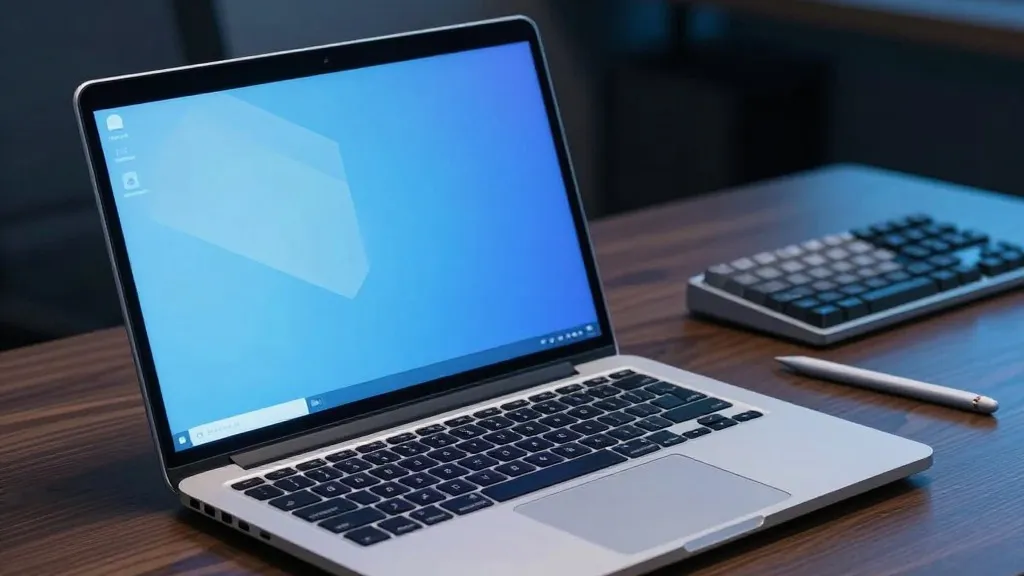
NVIDIA has finally put its signature on a standalone laptop chip, but the debut model is priced for the very wealthy. ASUS has introduced the ProArt P16, the first notebook to run on the RTX Spark system-on-a-chip. While the hardware is undeniably impressive, the review suggests it is a specialized tool rather than a universal replacement for existing machines.
The primary draw here is the sheer amount of unified memory available in a thin chassis. The device can hold up to 128GB of RAM, making it a powerful environment for running large local AI models. The reviewer noted that the machine handles heavy workloads, such as the Qwen3.8 27B model, with room to spare. This capability positions the P16 as a strong option for researchers who need to process data locally without relying on cloud servers.
The cost structure is the most significant barrier for potential buyers. Entry-level configurations start at $2,800, but the price rises sharply with increased memory. The specific unit tested, equipped with the maximum 128GB, carried a $7,000 price tag. While the laptop plays games well, the reviewer argued that dedicated gaming machines offer better value for that specific use case.
Physical attributes remain a strong suit for the ProArt line. The aluminum build is sturdy, and the 16-inch OLED screen reaches a brightness of 1,600 nits. Weighing in at 3.9 pounds, it is noticeably lighter than the 4.7-pound MacBook Pro. Connectivity includes three USB-C ports, a traditional USB-A slot, HDMI, and an SD card reader, though the lack of an Ethernet port may annoy some office users.
Performance benchmarks present a mixed picture. The P16 lagged behind a Snapdragon-based rival in general application tests and single-threaded CPU tasks. However, it dominated in graphics and AI specific metrics, beating an M5 Max equipped MacBook Pro in several key tests. In gaming, it achieved 70 frames per second in Control: Resonant at high settings, a figure that rose to 120 when quality options were lowered.
Compatibility issues remain a hurdle for the average user. Most games rely on emulation for the Arm-based processor, which can reduce performance and cause technical glitches. While native versions exist for popular titles like Fortnite, anti-cheat systems in some multiplayer games may still pose challenges. Battery life was a weak point, lasting just under eleven hours in testing, which is well below the fifteen-hour mark common in premium laptops.
The verdict is clear: this is a machine for AI professionals who need specific hardware capabilities. For general consumers or gamers, waiting a year or two for software support to mature is the smarter move. Until then, established competitors like the ASUS Zephyrus G16 offer a more balanced package for the money.