Apple Music Buries a Functional Virtual iPod for the Device's Silver Jubilee
A hidden interactive replica of the first-generation player has appeared on error pages to celebrate two decades and five years of the iconic gadget.
By Kwame Silva ·
1,029 playable tracks now sit behind a broken link on Apple’s streaming platform. This specific number serves as the core of a digital time capsule that the tech giant has quietly integrated into its web infrastructure. The collection is housed within a fully interactive simulation of the classic device, accessible to anyone who stumbles upon a non-existent page on the service.
The timeline of this feature begins with the original launch of the hardware in the early 2000s. At that time, the product was marketed with the bold promise of holding a thousand songs in a pocket. That claim became a defining moment in consumer electronics history. Today, Apple is acknowledging that legacy by recreating the user experience in a web browser, effectively turning a standard error state into a commemorative exhibit for the product’s twenty-fifth anniversary.
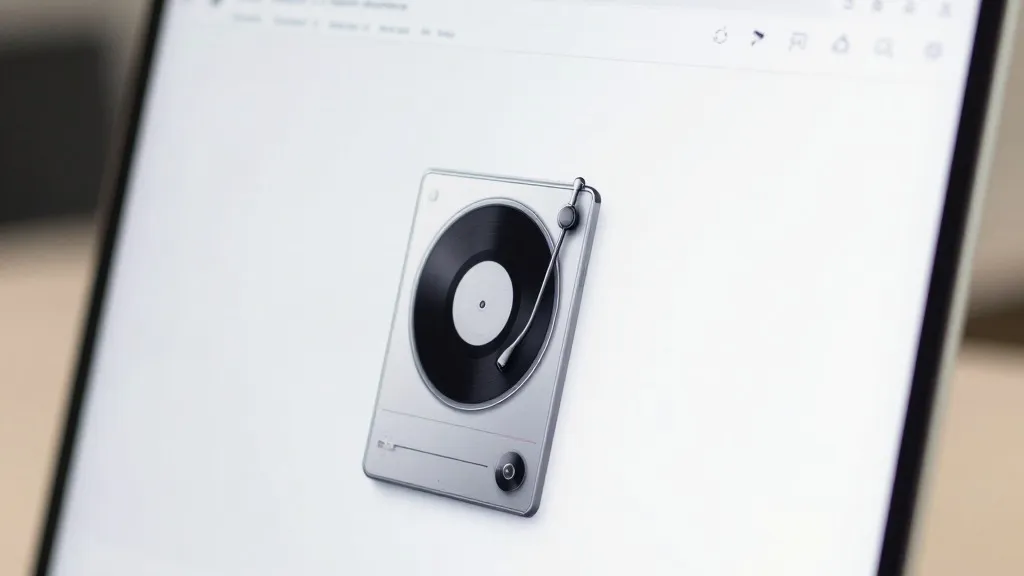
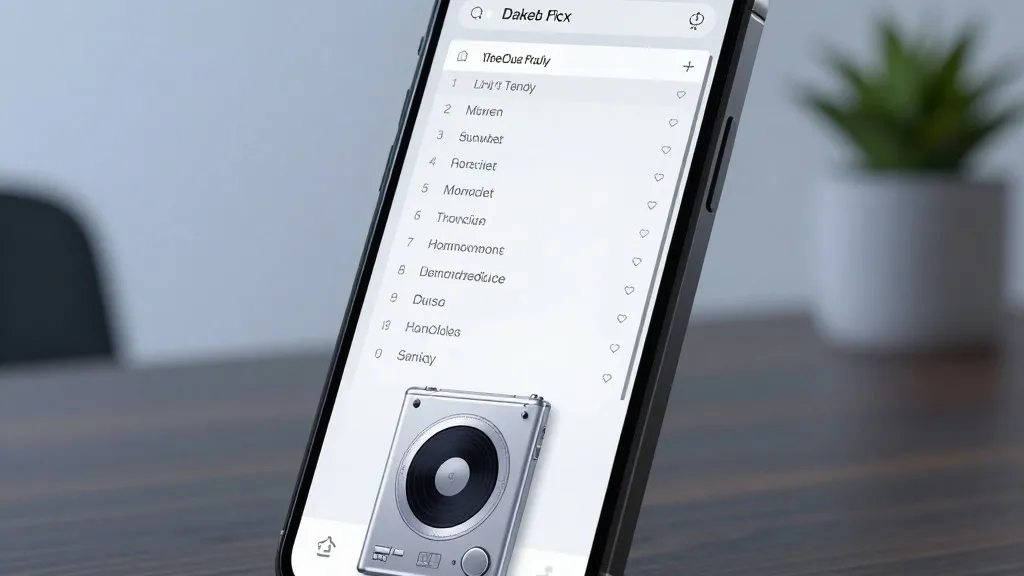
To access the feature, users must visit a dead URL on the Apple Music site. Below the standard notification that a page cannot be found, a new prompt invites visitors to give the experience a spin. Following this instruction reveals a virtual interface that mirrors the original hardware. The design includes the familiar navigation wheel and menu sections for playlists, artists, and settings. However, the experience is not perfect. Reporters have noted that the controls can be glitchy on desktop computers, whereas mobile devices provide a smoother interaction due to touch support.
The library itself leans heavily into early twenty-first century pop and rock. Tracks by artists like Blink-182, Eminem, and Baha Men make up a large portion of the selection. Some users in the United Kingdom also spotted names like Daniel Bedingfield and The Fratellis, though it remains unclear if the roster is identical across all regions. Regardless of location, playback is capped at ninety seconds per song, preventing listeners from enjoying full-length tracks in this retrospective environment.
Beyond music, the simulation includes a deeper layer of nostalgia for those who remember the original device’s hidden extras. A Breakout-style game known as Brick is available for play. Users can unlock it by holding the center button on the About screen for several seconds, a method identical to the physical hardware. This addition confirms that the developers aimed for a high level of authenticity in replicating the device’s quirks.
Currently, the feature does not appear to require a valid subscription to view. It remains unclear why the company invested significant resources into an element that most users will never encounter. Nevertheless, the presence of this detailed replica offers a tangible connection to the device that revolutionized how people consume music, serving as a quiet tribute to a twenty-five-year legacy in the tech industry.