Dating App Pivot: Match Group Bets on Traditional Courtship for Gen Z
Upward has shifted its focus from Christian daters to a broader audience seeking traditional values, aiming to capture a demographic that says it wants to marry but struggles with modern dating norms.
By Kwame Silva ·
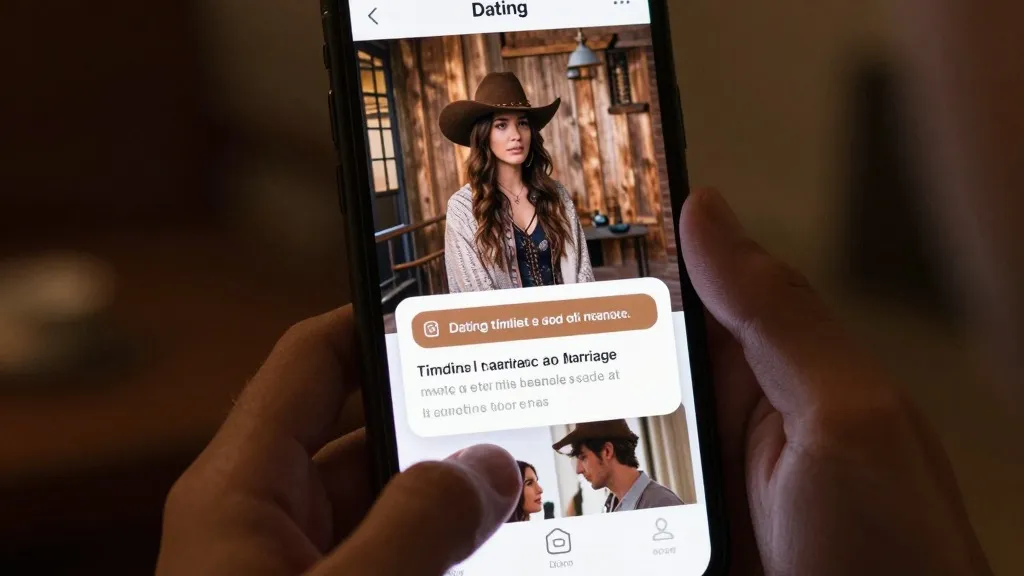
Match Group is wagering that the latest generation of singles is ready to abandon modern dating habits in favor of traditional courtship. The company has overhauled Upward, a dating app originally launched in 2020 for Christian users, to target young adults who prioritize family and faith, regardless of whether they identify as religious. This strategic shift positions the platform as a refuge for those seeking structure in a rapidly changing social landscape.
The decision stems from Match Group's 2026 Singles in America study, which reported that 72 percent of Gen Z respondents desire marriage. Additionally, the survey indicated that a quarter of singles aged 18 to 34 align with traditional values regarding family, faith, and community. Lauren DeFord, Match's director of brand marketing, described the change as a brand shift intended to welcome individuals with similar goals who may not lead with a faith-first mindset, though she emphasized that Christian singles remain central to the app's identity.
The relaunched Upward retains its tiered subscription model and swipe-based interface similar to Tinder. However, it introduces features designed to enforce traditional dating dynamics. Chivalry Mode encourages men to initiate contact, echoing the mechanics of older versions of Bumble. A new Marriage Timeline feature allows users to state their desired wedding date to potential matches. Users are also prompted to include a Faith Statement outlining their relationship with God, though the platform now accepts non-religious individuals as well.
The promotional strategy leans heavily into retro aesthetics. Marketing materials feature imagery associated with American Western culture, including a campaign titled Wanted: For Life. One video showcases a newlywed man in a cowboy hat performing traditional gestures like carrying his partner through a meadow and opening car doors, accompanied by the overlay text chivalrymaxxing. This branding aims to frame the app as the home of modern courtship by drawing on familiar historical tropes.
Skeptics argue that the data may not tell the whole story. Daniel Cox, director of the Survey Center on American Life and author of Generation Uncoupled, suggests that Gen Z is navigating adulthood with less clear relational priorities. He notes that a decline in civic engagement has fostered a hyperindividualistic culture that does not always prioritize marriage. An American Institute for Boys and Men survey found that 44 percent of Gen Z men had no romantic relationships during their teenage years, a rate double that of older cohorts. Cox views the trend toward traditionalism as a reaction to a lack of cultural norms, with daters seeking a script, though he doubts the current traditional model is ideal for many young people.
Other data complicates the narrative. A 2023 Pew Research study found that only 23 percent of adults considered marriage extremely or very important for a fulfilling life, compared to 61 percent who felt the same about close friendships. Expectations among high school seniors have also shifted, with the percentage expecting to marry dropping from 80 percent in 1993 to 67 percent in 2023. Cox cautions that Match's statistics might be skewed by age, as older generations have already married or divorced. Match Group states its survey of 5,000 unmarried US singles is demographically representative of the Census.
User experiences since the relaunch have been mixed. Adreanna Pulliam, a 25-year-old opera singer from Bloomington, Indiana, who views marriage as the ultimate goal, encountered men she described as fitting the red-pill, trad wife, conservative values mold. She expressed confusion over app features that allow users to list body types like chubby, permit married individuals to join, and offer relationship options such as it's complicated. Tauti, a social work student in California, left the platform within 48 hours, stating on TikTok that the experience turned her off from Christian dating altogether.
Heidi Marais, a teacher and single mother, questioned why agnostics are allowed on the platform. Upward has not disclosed its active user numbers but has faced ongoing complaints about functionality, filtering, and user support since its inception. One App Store reviewer described the app as janky as hell. Pulliam believes the app could find a niche among students at Christian private universities, though she added that it likely works best for those with a somewhat closed mind.
As Match Group pushes this new direction, the company is testing whether a return to traditional norms can re-engage a generation that has been skeptical of modern dating apps. The outcome will depend on whether the blend of old-fashioned courtship and modern technology resonates with the broad, value-driven audience it now targets.