Ukraine's Satellite Speeds Hit 400 Kilometers Per Hour Again
Ukrainian President Zelenskyy confirmed that satellite speeds have returned to over 400 kilometers per hour, ending a period of military disruption.
By Sakura Novak ·
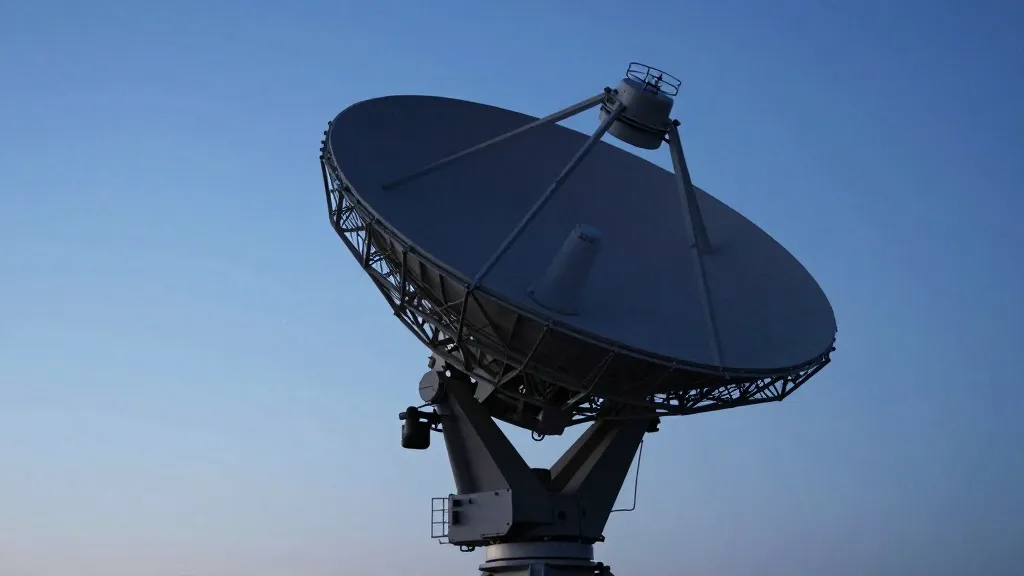
Speeds above 400 kilometers per hour. That is the new benchmark for Ukraine’s satellite communications. The country’s President Volodymyr Zelenskyy confirmed this milestone in a video address on the morning of October 24. He stated that the restrictions on Starlink and Starshield systems had been fully lifted. Zelenskyy thanked those who helped restore the connections. He said the systems are now operating at their pre-restriction capabilities. This means the military has the speed it needs.
Recovery began in the small hours of the night. By morning, the connection reached the levels required for military operations. The President described this as a very important development. It directly impacts logistics on the front lines. It also helps protect Ukraine from jet-powered Shahed drones. Stable and fast data flow is critical for these defense efforts. The restoration of full speed marks the end of a significant technical hurdle.
Independent checks confirmed the President’s claims. Before Zelenskyy’s statement, defense forces and Ministry of Defence experts monitored the systems. They recorded speeds exceeding 161 kilometers per hour. The Ministry of Defence later issued an official confirmation. It stated that it was registering speeds above 400 kilometers per hour. The ministry also noted that the connection remained stable. These figures verify that the systems are back to full operational status.
This update follows a period of significant disruption. A few days earlier, Zelenskyy reported that equipment was limited. Speeds were capped between 130 and 161 kilometers per hour in several sectors. This occurred along the line of contact. The President explained that this interfered with logistics. It also limited Ukraine’s ability to use drones effectively. The slowdown created challenges for military coordination and response times.
Political attention grew as the restrictions continued. On October 16, US President Donald Trump addressed the issue. He claimed that the White House had not been involved in limiting Ukraine’s use of the system. This statement sought to clarify the role of the US government. It highlighted the complex dynamics between the two nations during this technical crisis. The denial aimed to separate the US administration from direct blame for the bandwidth caps.
Other reports provided additional context to the situation. The Telegraph reported on a specific proposal. It claimed that SpaceX CEO Elon Musk approached Trump with an idea. Musk suggested restricting the bandwidth of the satellite networks used by the Ukrainian military. This report added a layer of detail to the political narrative. It indicated that the restrictions may have been a targeted proposal rather than a broad policy decision.
The restoration of full speed is a practical win for the military. It resolves the immediate technical constraints. The focus now shifts to maintaining this stability. The military can again rely on high-speed data for real-time operations. This includes drone control and drone defense. The return to normal speeds allows for more effective tactical decisions. It reduces the lag that previously hindered frontline activities.
What happens next depends on maintaining this stability. The military will continue to monitor the systems. The Ministry of Defence will likely issue further updates. The political dialogue between Washington and Kyiv will continue. For now, the technical issue is resolved. The military has the tools it needs. The next steps involve leveraging this restored capability in ongoing operations. The focus remains on the front lines and the effectiveness of the restored links.