Serbia's Student List to Take 135 Seats as Vucic Concedes 105
Voter turnout hit a 30-year high as a protest movement led by Ilija Srdanovic ends the political dominance of the Serbian Progressive Party.
By Lina Lewis ·
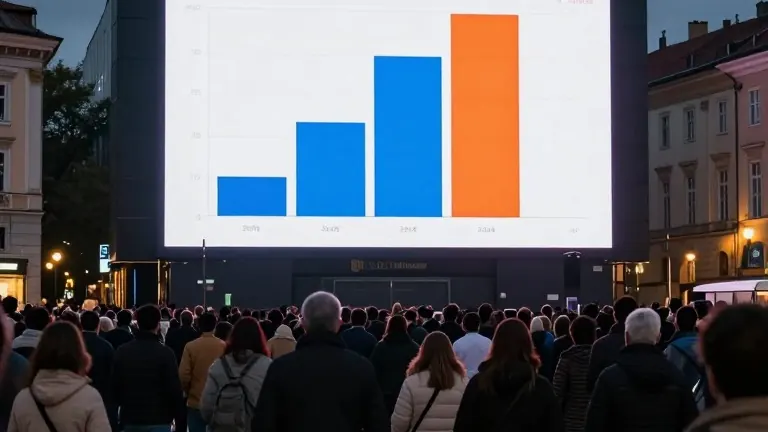
Voter turnout in Sunday's snap parliamentary election in Serbia reached its highest level in more than 30 years. The result marked a sharp shift in power, ending the long tenure of President Aleksandar Vucic, who has shaped the country's political landscape for over a decade.
Vucic, the leader of the Serbian Progressive Party, admitted defeat to supporters after vote samples indicated his list would secure 105 seats in the 250-member parliament. The Student List, a political platform formed from a youth-led protest movement, is projected to win between 135 and 140 seats.
The movement originated in November 2024 after 16 people died when a train station canopy collapsed in Novi Sad. Protests by students, professors, doctors, and workers expanded into a wider wave of social unrest. Ilija Srdanovic, a professor at the Faculty of Medicine in Novi Sad, led the campaign for the Student List, which pledged to fight corruption and depoliticize public institutions.
Vucic had previously labeled the demonstrators "blockaders" and accused them of seeking to destabilize Serbia. He resigned in September under pressure from the protests and called for early elections, though he retained influence over his party and state policy until the vote.
The transition of power follows a complex political history for Vucic. He entered politics in 1993 with the ultranationalist Serbian Radical Party and founded the Serbian Progressive Party in 2008 with Tomislav Nikolic to move closer to mainstream European politics. The party took power in 2012, promising to combat corruption and organized crime.
Journalist Safeta Bisevac noted that while the party promised reform, authorities widened their grip on institutions, media, and political life. Bisevac described Vucic as the "essential organiser" of the new party, stating that he made many promises but fulfilled few while establishing near-complete control over the state apparatus.
Economic indicators during Vucic's tenure showed growth. Unemployment fell from 26 percent to between 8 and 9 percent, and nominal GDP nearly tripled to approximately 90 billion euros. Annual foreign direct investment rose from roughly 800 million euros in 2012 to a record 5.2 billion euros in 2024. However, critics argue that rising wages did not match the increase in living standards, keeping public debt and costs of living central to the debate.
Political scientist Dusko Radosavljevic characterized the last decade as a period of "systematic pressure" and the destruction of social institutions. He said the students provided a voice to justified citizen anger, noting that intelligence services monitored political opponents more closely while critical thinking was pushed out of public media.
More Politics · World news · Report a business · Got a Story?