Lula Wins Brazil Runoff, Rival Sues
A surge of 10.4 million late voters secured Lula’s fourth term, prompting Flávio Bolsonaro to file for annulment.
By Kwame Silva ·
Brazilian President Luiz Inácio Lula da Silva won the presidential runoff held on Sunday, October 25. He will serve his fourth non-consecutive term starting January 5, 2027. Senator Flávio Bolsonaro has challenged the results, seeking to annul the election.
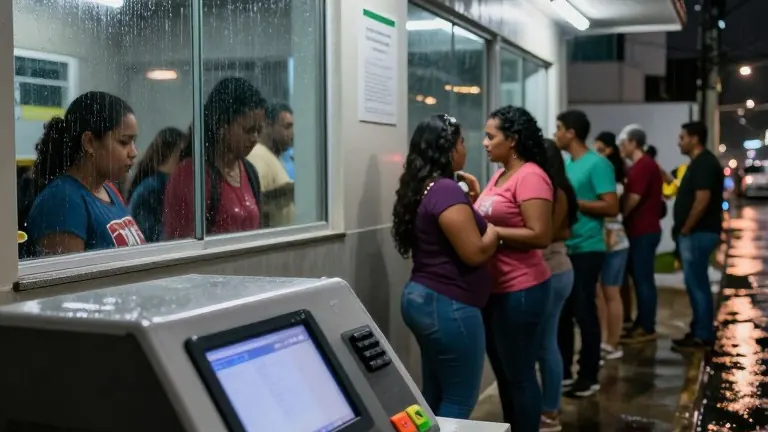
Lula secured more than 64 million votes. Flávio Bolsonaro received just under 60 million votes. The margin of victory was nearly 4 percent. This result follows a chaotic extension of voting hours requested by both candidates. The extra time allowed 14.1 million additional voters to participate. Analysts estimate three-quarters of these new voters supported Lula.
President Donald Trump questioned the outcome on Monday. He described the election as looking rigged but provided no evidence. Trump told reporters that the tabulation process had a bad look to it. He added that the election appeared to be another rigged contest. Trump made these remarks before flying to Mississippi for a political rally.
Flávio Bolsonaro stated at a news conference on Sunday that he would request an annulment. It is unclear which legal avenue he intends to use. His father, former President Jair Bolsonaro, is serving a 27-year sentence for a coup attempt. Flávio visited his father under house arrest on Monday. Jair Bolsonaro also unsuccessfully contested his loss to Lula in 2022.
Kassio Nunes, president of Brazil’s electoral authority, recognized Lula’s victory on Sunday. Nunes was appointed to the Supreme Court by Jair Bolsonaro. Early signs from regional leaders suggest the results will be respected. Conservative presidents who oppose Lula have acknowledged the outcome.
Lula’s campaign shifted its strategy after a lackluster first round. Lawmaker André Janones led a digital operation called Lula's Army. This WhatsApp channel gathered almost 11 million people. They mobilized voters through social media. This effort helped pressure Meta to end alleged bias in its algorithms. Brazil’s top electoral court ruled on October 15 that Meta must treat both candidates equally.
Voter turnout surged in wealthier metropolitan centers. Lula achieved his highest gains in lower-income municipalities. This was the first time since 1989 that a candidate came from behind in the first round to win the second. The voting process faced disruption when a Supreme Court justice ordered a nationwide extension minutes before polls closed at 5 p.m. Many stations learned of the change only as they were wrapping up.