Google Health Update: 100 Activity Types and New Glucose Tools
The 5.11 release doubles workout detection accuracy for Fitbit and Pixel Watch users while introducing metabolic insights for premium subscribers.
By Sakura Novak ·
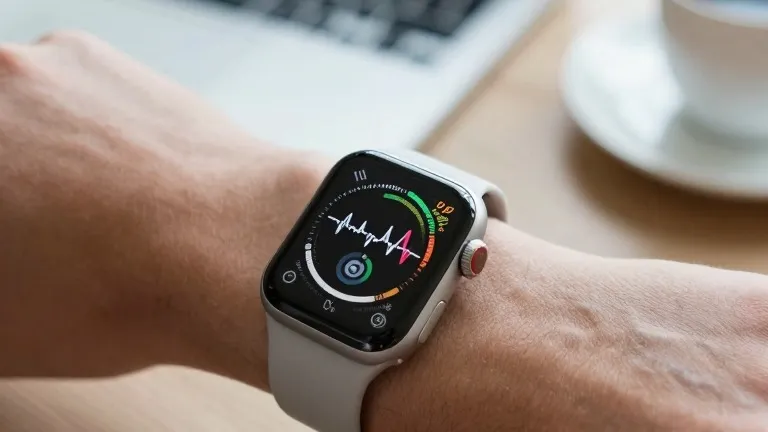
Owners of Fitbit Air, Pixel Watch 3, 4, and 5 devices are receiving a major update to their health tracking capabilities this week. The rollout begins on iOS and is currently expanding to Android users. The update focuses on improving how the software identifies physical activity and monitors metabolic health indicators.
The most immediate change affects how workouts are logged. The app now recognizes up to 100 distinct activity categories, a tenfold increase from the previous limit of 10. New classifications include strength training, swimming, and various racket and team sports. According to Google, the system now uses contextual reasoning to analyze user habits, historical data, and manual edits. This approach makes detections nearly twice as accurate and reduces missed workout logs by more than 50 percent.
Sessions that last at least 15 minutes and show a sustained elevated heart rate are logged automatically. Users typically receive a summary in the app within 30 minutes of the session ending. The Fitbit Edge device will receive this detection feature upon its launch on October 27. The system improves over time as users confirm or edit specific activities.
New financial and health data tools are available for Google Health Premium subscribers who own a Fitbit Air or Fitbit Edge. Two new Health Guardian features are now active: blood pressure trends and insulin resistance trends. The first reports for these metrics are scheduled for the beginning of November. Blood pressure data requires five consecutive days of wear in October, while insulin resistance trends require seven days and nights of use during the month.
The update also integrates Abbott's Lingo device for users in the US. This connection allows continuous glucose monitor data to appear in the app within 30 minutes. The term 'Blood glucose' has been renamed to 'Glucose' across the interface. Users can now set custom time-in-range goals for their glucose data. Sleep tracking has also been adjusted to use step data to better capture short awakenings, and users can now delete naps directly from the nap card if they do not match their actual day.
The upgrade is part of a broader push to make wearable health data more actionable. By increasing the variety of tracked activities and adding specific metabolic markers, the platform aims to provide a more complete picture of user health without requiring manual input for every session.