Tesla Slips Optimus Humanoid Robot Delivery Target to Late 2027
CEO Elon Musk cites persistent challenges with hand mechanics and AI generalization as the primary reasons for the schedule shift on the Fremont production line.
By Kwame Silva ·
Tesla has officially pushed back the timeline for delivering its Optimus humanoid robots to external customers, now targeting late 2027. During the company’s Q3 2026 earnings call, CEO Elon Musk confirmed that the first units intended for outside partners will be ready by the end of next year. This marks another significant delay in a project that has seen its milestones shift multiple times since its initial announcement.
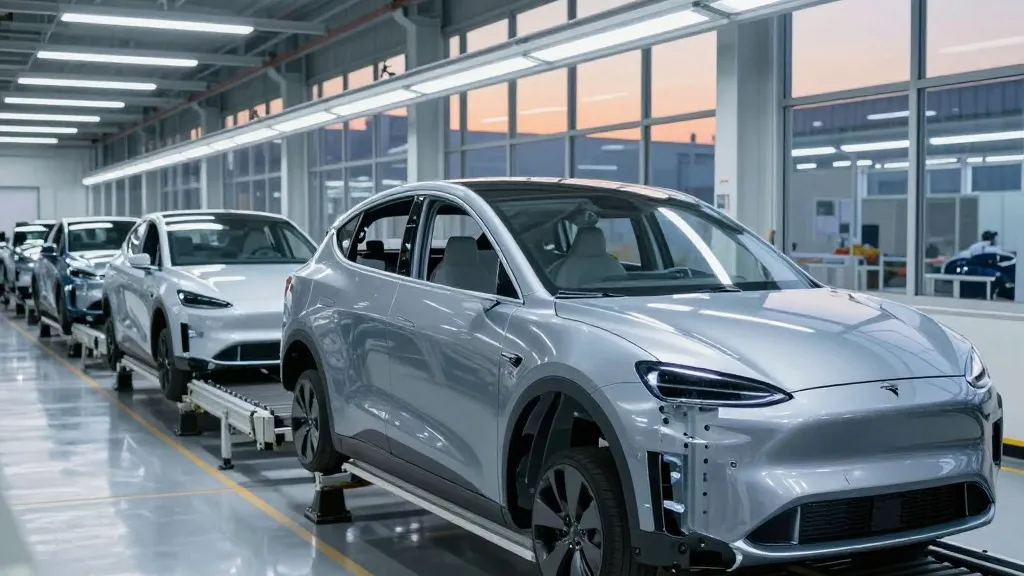
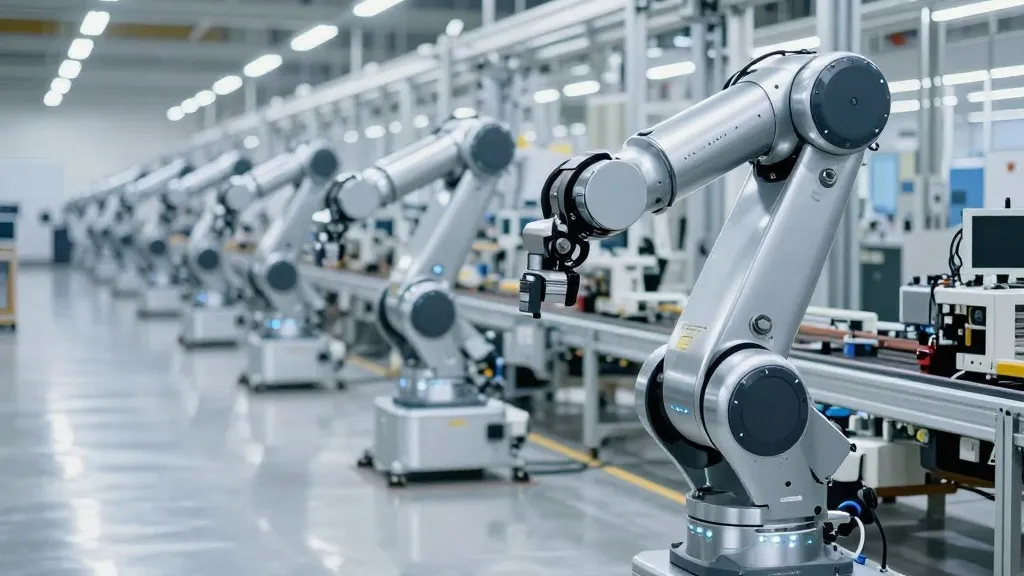
The delay is attributed to unresolved technical hurdles in three specific areas: the robot’s AI architecture, its electromechanical durability, and the design of its hands. While Tesla has installed the majority of a high-volume production line in Fremont, California, designed to eventually produce a million units annually, Musk stated it will take at least a year to reach the target rate of 20,000 units per week. This pace is necessary to allow for ongoing design modifications, particularly in components that are still undergoing refinement.
Musk identified the hand mechanism as the most difficult hardware element to finalize. A Tesla engineer noted on the call that the fingers must be soft enough to handle delicate objects while withstanding constant industrial wear, a challenge compounded by the fact that robotic skin cannot heal like human skin. Additionally, custom gears used in the design still present reliability concerns. These issues prevent the robots from achieving the necessary longevity for commercial use, where they are expected to operate for extended periods without significant degradation.
On the software front, Tesla faces a data collection bottleneck. Unlike its vehicle fleet, which continuously gathers data for its Full Self-Driving system, Tesla does not yet have a large network of robots in the field. To address this, the company plans to build between 10,000 and 20,000 units for an internal "Optimus Academy" where the robots will practice various tasks to improve their AI. Tesla also intends to integrate its AI5 chip into the robots around April 2027 to enhance their processing capabilities.
Musk defended Tesla’s position by stating that, to his knowledge, no other company is close to matching Tesla’s progress on general-purpose humanoids. However, competitors are making comparable advances. XPeng, a Chinese automaker, activated an automated production line for its IRON robot in Guangzhou in September, with over 80% of core processes automated. XPeng aims for mass production by the end of 2026 and plans to begin deliveries to stores and malls in the first half of 2027, a timeline similar to, if not slightly ahead of, Tesla’s.
Meanwhile, Boston Dynamics, a subsidiary of Hyundai, has begun producing its electric Atlas robot and has committed all of its 2026 deployments, including to Google DeepMind. In September, the company opened a robot training center at Hyundai’s Metaplant in Georgia, where Atlas is learning to sequence car parts for assembly lines. Hyundai has outlined a plan to deploy 25,000 robots across its manufacturing facilities in the coming years. Notably, Boston Dynamics hired Milan Kovac, Tesla’s former head of the Optimus program, in January of this year.
The shift in Tesla’s timeline follows a history of revised estimates. In 2024, Musk suggested internal use in 2025 and high-volume external sales in 2026. By January 2025, he projected the production of 10,000 robots that year, though he later admitted that none were performing useful work by the end of that period. Tesla’s Q3 shareholder letter now describes the units coming off the Fremont line as the first "production-quality" bots manufactured, implying that previous iterations were not ready for commercial standards.
The stakes for Tesla are high as it moves to expand beyond its automotive core. The company plans to focus initial external deliveries on industrial jobs that are dangerous, repetitive, or require around-the-clock operation. Musk promised a video within the next one or two months showing the robot performing unscripted tasks, aiming to demonstrate that the AI can generalize beyond pre-programmed routines. Success in this area will be critical to validating the late-2027 delivery target.
While competitors like XPeng and Boston Dynamics are also navigating similar challenges regarding hand dexterity and AI generalization, they have not publicly claimed a lack of competition. Tesla’s approach remains centered on leveraging its manufacturing scale and AI expertise to solve these persistent engineering problems. The upcoming months will be crucial in determining whether the new timeline holds or if the delivery date shifts again.