Sudan fuel crunch drives up costs for drivers and traders
A shortage of petrol and diesel is squeezing margins for businesses and raising daily expenses for workers across the country.
By Sakura Novak ·
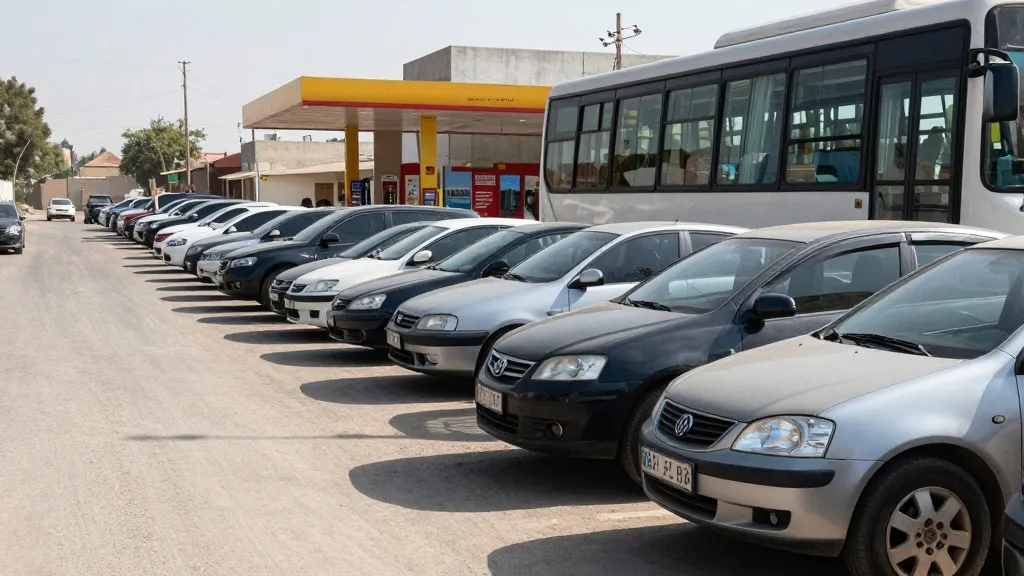
Fuel scarcity in Sudan is now acting as a major tax on the economy, forcing businesses and individuals to pay more for basic movement.
The numbers tell a story of shrinking margins and rising outlays. In Port Sudan, a gallon of petrol costs 35,000 pounds, while Gazira State sees prices hit 40,000 pounds. For a minibus driver, that means daily fuel bills of about 105,000 pounds. After covering those operating costs, drivers are left with only 50,000 pounds in revenue. In the commercial sector, the cost of moving a tonne of goods has jumped by 30 to 50 percent. Local delivery fees in Omdurman have doubled or more, rising from 5,000 pounds to between 10,000 and 12,000 pounds. These increases are being passed directly to consumers through higher product prices.
The people managing these tight budgets are feeling the strain in their daily routines. Azhari Mohamed, a 60-year-old minibus operator in Port Sudan, now works two days and waits a third in line. His waits often exceed five hours, and he frequently finds the pumps empty before he reaches them. Meanwhile, Aziza Ibrahim, a 38-year-old cleaner, has cut her work schedule to three days a week. Her daily transport costs now reach 11,000 pounds, which consumes nearly half of her monthly salary. She often borrows money to get to work and repays the loan when she is paid. Ahmed al-Haj, a trader in Omdurman, relies on fuel-powered generators during power cuts, further inflating his daily expenses.
The stakes for the national economy are high. The Transport Chambers Union recently raised intercity bus fares by 40 percent and minibus fares by 30 percent to offset the higher fuel costs. This comes as the war between the Sudanese Armed Forces and the Rapid Support Forces, which started in April 2023, continues to disrupt the sector. The Ministry of Energy and Petroleum estimated war-related losses at $20 billion last year. The United Nations Development Programme notes that average incomes have fallen back to 1990s levels. Attacks on the Balila oil field have disrupted supplies to the Khartoum refinery, which previously met about 60 percent of national demand for petrol and liquefied petroleum gas.
Sudan now depends on imports to fill the gap in domestic output. However, global energy prices have risen due to a broader crisis and the ongoing conflict between the United States and Iran. Economic analyst Sidi Ohaj points out that government rules for importers have worsened the situation. Importers must deposit 200 kilograms of gold in the Central Bank and own storage facilities. Some failed to comply and left the market, reducing supply relative to demand. Ohaj argues that the government should urgently ease import procedures. He also warns that drone attacks threaten infrastructure, leaving little hope for a quick fix to the current supply chain problems.
More Business · World news · Consumer Watch · Report a business · Got a Story?