Russian Diesel Ships to US Coast as Diplomacy Shifts
New fuel deliveries to North America coincide with a local ceasefire and upcoming technical talks between Ukraine, Russia, and the United States.
By Sakura Novak ·
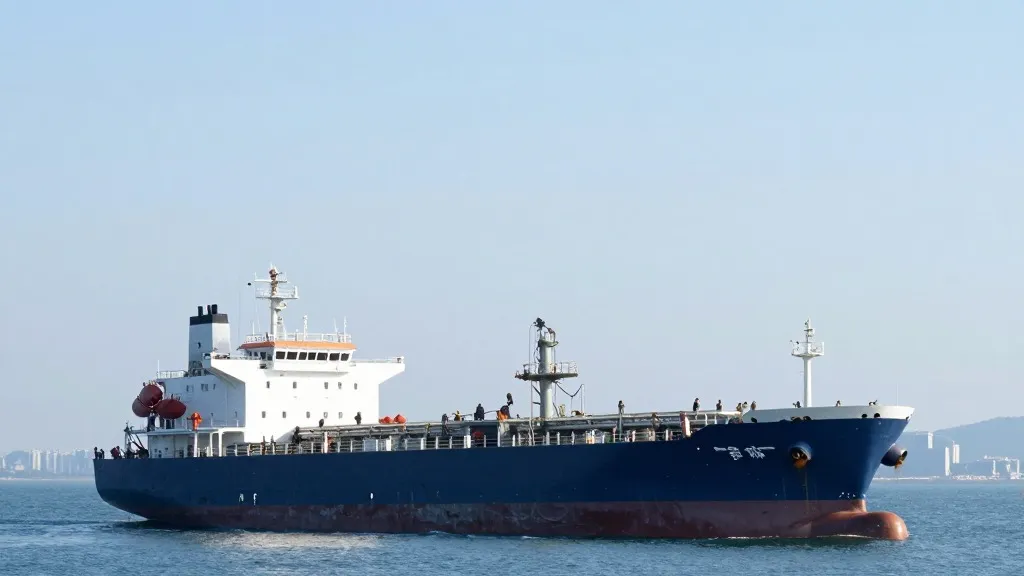
For drivers and consumers watching energy costs, a new flow of Russian fuel is set to reach the market in the coming weeks. This development is part of a broader diplomatic effort that also includes a localized ceasefire in southern Ukraine and the scheduling of technical negotiations between the major powers. The immediate result for the general public is the prospect of more stable fuel prices, as the new supply aims to ease the strain on global markets.
The specific numbers behind this energy deal involve the movement of 500,000 metric tonnes of diesel. Russian Deputy Prime Minister Alexander Novak announced on Friday that the first three tankers are already en route to the eastern coast of the Atlantic Ocean. These vessels are supported by the Russian Direct Investment Fund. The agreement was initially announced by US President Donald Trump earlier this month. Under the terms, Russia commits to supplying diesel to world markets to help lower prices. In return, the United States has temporarily lifted sanctions on Russian fuel products.
Details regarding the first shipment indicate that a Malta-flagged medium-sized tanker named the Agioi Fanendes is carrying ultra-low sulphur diesel. According to reports from Reuters, this vessel is expected to arrive in the United States on 7 November. The arrival of this fuel marks the physical beginning of the trade arrangement that officials have been discussing for several weeks.
In a separate but related diplomatic development, the White House confirmed that Russia and Ukraine have agreed to a ceasefire in the city of Oleshky. This area has been under Russian occupation since February 2022 and has faced a worsening humanitarian crisis. Both sides will halt military operations in the city starting on 27 October. This pause is designed to allow aid workers to deliver supplies and to prepare for the evacuation of civilians. Officials from both nations stated that a broader ceasefire agreement is also near completion.
The conditions in Oleshky have been described as desperate. Severe shortages of food, water, and electricity have left an estimated 2,000 residents struggling to survive. Some locals report surviving on weeds, boiled grass, and small rations of bread. The recent agreement to pause fighting in this specific location aims to provide immediate relief to these communities while larger negotiations take place.
The United States is actively working to organize fresh talks to end the war. Ukrainian President Volodymyr Zelenskyy stated on Friday that negotiators from Ukraine, Russia, and the US have agreed to hold technical-level meetings in the first half of November. These talks are scheduled to take place in Abu Dhabi. A US official noted that the three countries might meet again in a couple of weeks, potentially in either Abu Dhabi or Switzerland. Zelenskyy expressed hope that a meeting of the national leaders would follow the technical discussions.
This diplomatic push comes after a period of tension between Washington and Kyiv. Recent moves by the Trump administration have been viewed by some as favoring Russia, including limits on the Starlink communication system that Ukraine uses for defense. President Trump said on Friday that if Ukraine continues to face trouble accessing the system, he would resolve the issue. He indicated he might raise the matter with SpaceX CEO Elon Musk if necessary.
Meanwhile, European leaders are pressing the UK to increase its support. At a summit in Brussels, EU officials urged UK Prime Minister Andy Burnham to contribute more to Ukraine's defense. The UK government is scheduled to present its first budget under Burnham's leadership next week. EU officials also suggested that Canada and Japan should do more to assist Ukraine. Separately, the International Atomic Energy Agency reported that repairs to key power infrastructure near the Zaporizhzhia nuclear plant are complete. These works were done under a temporary ceasefire and have strengthened the plant's connection to its sole remaining external power line, reducing the risk of another power loss at Europe's largest nuclear station.