Oleshky Relief: US Mediation Aims to Open Humanitarian Corridor
American diplomatic efforts have secured a temporary ceasefire, allowing for a planned humanitarian operation to deliver aid and evacuate residents from the besieged town in Kherson Oblast.
By Kwame Silva ·
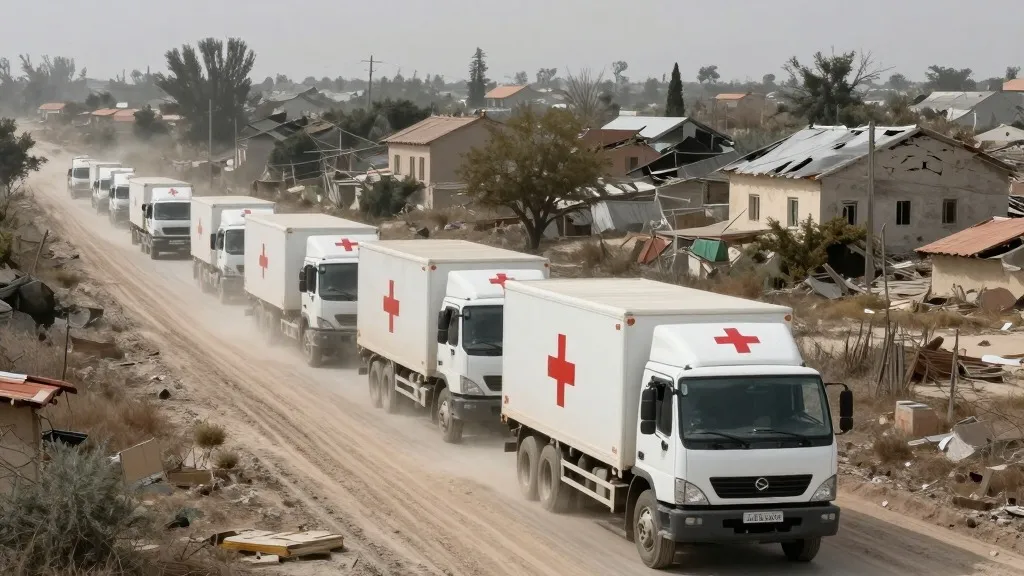
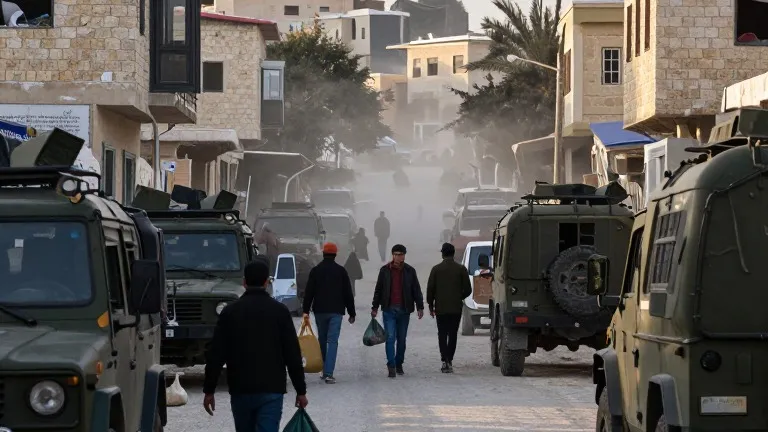
A tense standoff has emerged over the town of Oleshky in Kherson Oblast, where Ukrainian and Russian forces have agreed to a temporary pause in fighting. This truce is designed to create a safe window for a humanitarian operation. The primary goal is to restore access to the occupied town, allowing for the delivery of essential supplies and the evacuation of civilians from an active combat zone. The situation has reached a critical point, prompting high-level diplomatic intervention to facilitate the effort.
The timeline for this operation has been set with specific dates in mind. According to announcements from the general staffs of both Ukraine and Russia, the ceasefire will take effect in a designated area beginning on the night of October 27. Dmytro Lubinets, Ukraine's Parliamentary Commissioner for Human Rights, confirmed that the actual humanitarian operation is scheduled to take place on October 29. This two-day gap between the start of the ceasefire and the operation is intended to ensure security protocols are in place before aid convoys and evacuation teams begin their work.
The physical conditions in Oleshky have been described as severe by Ukrainian leadership. President Volodymyr Zelenskyy noted in a recent video address that Russian forces have mined the roads in the temporarily occupied part of the Kherson region. These obstacles make ground travel dangerous and complicate the logistics of moving people and supplies. Zelenskyy characterized the local conditions as dire and extremely dire, emphasizing the urgency of the situation for the residents remaining in the area.
Ukrainian officials are placing significant reliance on American diplomatic channels to make this arrangement work. Zelenskyy stated that an arrangement concerning Oleshky should be put into effect soon. He indicated that Ukraine is prepared to do its part in the process but is counting on American mediation to function effectively. The talks leading up to this agreement have been ongoing for some time and have taken place at various levels of government and military command.
The White House has also weighed into the narrative, issuing a statement that highlighted the role of US First Lady Melania Trump. According to the statement, Trump secured the truce between Russia and Ukraine in Oleshky. The administration described the current state of the town as a humanitarian disaster. This framing underscores the scale of the crisis and the specific diplomatic channels being used to negotiate the terms of the pause in hostilities.
On the Russian side, Kremlin spokesperson Dmitry Peskov confirmed that Russia had agreed to the ceasefire. The stated purpose of this agreement is to allow a humanitarian mission to proceed in the town. The Russian confirmation aligns with the announcements made by the Ukrainian military, suggesting a mutual understanding of the terms and the timeframe for the operation. Both sides appear committed to honoring the pause to allow the mission to be completed.
The stakes of this operation extend beyond the immediate relief of supplies. The humanitarian mission aims to restore full access to the town, which has been isolated by the conflict. Delivering food and medicine is a primary objective, addressing the immediate needs of the population. Equally important is the goal of allowing residents to leave the combat zone, providing a safe exit for those who wish to depart from the occupied territory. This dual focus on aid and evacuation highlights the comprehensive nature of the planned operation.
The success of this initiative will depend on the strict adherence to the ceasefire terms by both military commands. The designated area for the pause is specific, implying that fighting may continue in other sectors. The mined roads and the presence of combat forces in the vicinity add layers of complexity to the logistics. As the date of October 29 approaches, attention will turn to whether the diplomatic framework can hold under the pressure of the ongoing conflict, potentially setting a precedent for future humanitarian negotiations in the region.