Iran War Strategy: Votel says strikes buy time but lack clear end state
Retired Army Gen. Joseph Votel argues that without a defined objective, new U.S. and Israeli bombing campaigns will only delay the conflict.
By Kwame Silva ·
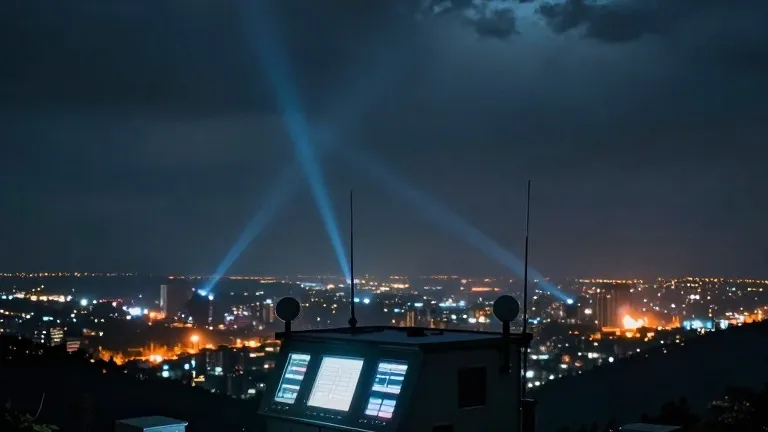
Retired Army Gen. Joseph Votel argues that a new wave of U.S. and Israeli airstrikes against Iran will likely weaken Tehran’s military capacity but will not end the war. Votel, who led U.S. Central Command from 2016 to 2019, stated that current strikes serve to buy time and punish the Iranian government rather than force a conclusive outcome.
Speaking to NPR’s Leila Fadel, Votel noted that many targeted facilities have been hit in previous conflicts and that Iran has demonstrated the ability to rebuild them. He said the attacks have not yet changed Tehran’s calculation regarding the war's direction. Votel observed that the Iranian government has adopted a harder line and is more willing to execute bold counterattacks.
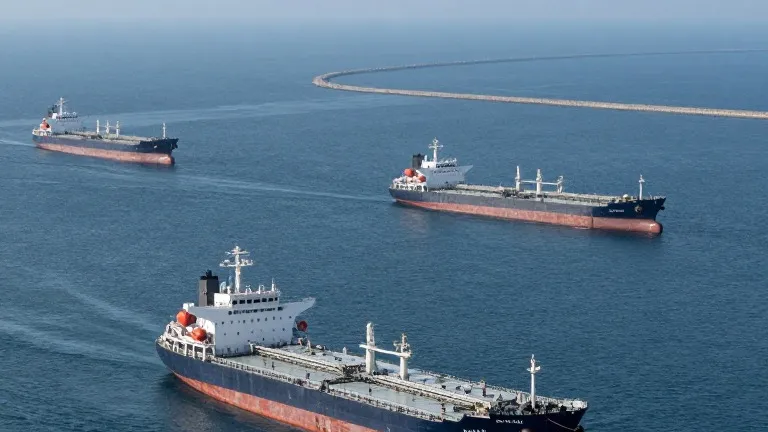
Votel identified the lack of a clear objective as the primary strategic gap. He stated that Washington must define the specific end state and determine how it will declare the conflict finished. In his assessment, the core issues to resolve are the nuclear enrichment program and the reopening of the Strait of Hormuz.
Once a goal is established, Votel said military, economic, diplomatic, and information pressures should align to achieve it. He emphasized that military force is only one component of national power. He pointed to the financial front as the area showing the most visible progress, citing the blockade and sanctions. He referenced reporting that Iran’s ghost fleet has run out of oil, indicating that economic pressure is producing definite movement.
Votel described the U.S. aims as difficult to read publicly but centered on two main priorities. The first is reopening the Strait of Hormuz to allow oil and commerce to flow freely, which would help lower gas and diesel prices in the United States. The second is controlling Iran’s nuclear program. He also noted that Iran uses proxies, including the Houthis across the Arabian Peninsula, to create regional instability, but he identified Hormuz and enrichment as the principal concerns.
Regarding military readiness, Votel said American offensive power in the region is substantial and the ability to strike is not in question. He identified missile defense as the potential constraint. He noted that heavy pressure on defensive interceptors protecting U.S. forces and regional partners could limit operations. He concluded that while offensive capability is sufficient, defensive resources may face constraints during a prolonged conflict.