Beach crowds gather as Brazil faces historic runoff
Supporters of President Lula flood Rio de Janeiro in a final push before Sunday's decisive vote against Flávio Bolsonaro.
By Sakura Novak ·
The central question in Brazilian politics right now is simple. Can a candidate who lost the first round ever win the runoff? History says no. Since democracy returned in the 1980s, no leader has pulled off that upset. But President Luiz Inácio Lula da Silva is attempting exactly that. His rivals are skeptical, yet his base is energized and ready to try.
Nearly 159 million Brazilians are eligible to cast ballots this Sunday. The contest is statistically tight. Flávio Bolsonaro secured 47% of the vote in the October 4 first round, while Lula received 45%. Most analysts still view the son of former President Jair Bolsonaro as the slight favorite. However, Lula has recently gained ground in the polls. This shift follows several scandals involving his opponent, including a claim that he attended a boat party during the 2020 pandemic.
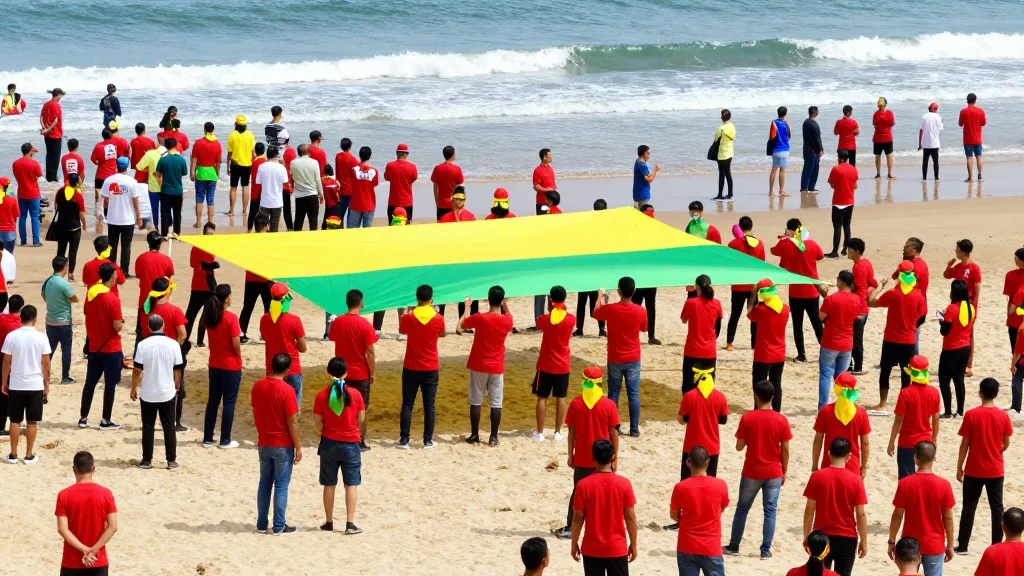
Tens of thousands of supporters packed Copacabana Beach in Rio de Janeiro on Saturday. The crowd wore red and moved in a carnival style under the strong sun. A massive banner reading 'WE ARE GOING TO TURN THIS AROUND!' was unfurled by activists. Truck driver Josias Silva, 61, held a sign declaring that tomorrow would be a new day. He argued that recent student-led protests show the public has finally woken up. Silva predicts a victory margin of over 60%, though polls suggest the race will be much closer.
For many voters, this election feels personal. Jair Bolsonaro is currently serving a 27-year sentence for plotting a coup after losing in 2022. Democrats fear he might be released or return to power if his son wins. Reports indicate that other plotters could receive senior military or police roles. Restaurateur Marta Moraes, 59, said she opposes the specific political movement rather than the right in general. She lost four relatives during the pandemic due to what she views as negligence.
The mobilization effort has been digital as well as physical. Many attendees belong to a WhatsApp group called Lula's Army, which has ten million members. Retired teacher Isabella Gaze, 64, described this as an abnormal election. DJ Cammy Marinho, 49, spent two weeks trying to convince former opponents to switch sides. Even young voters like Heitor Lopes da Silva, 14, traveled from Duque de Caxias in a wheelchair to show support.
Supporters of Flávio Bolsonaro also took to the streets. In Belo Horizonte, thousands gathered in yellow jerseys and waved flags. This state is a crucial bellwether with the second-largest electorate. No candidate has won the presidency without carrying this region. Bolsonaro led there by just under 5% in the first round. Locals defended his security platform. Shooting club owner Antonio Carlos Costa Jr, 59, argued that his father gave citizens the right to self-defense. Critics note that loosened gun laws often diverted firearms to gangs, while Lula has tightened the rules. Architect Erika Cavalcante, 43, carried a sign warning not to let the mobsters win.