10 Days Since Last Strike as Iran Accuses US of Ending Truce
President Pezeshkian claims Washington voided the interim pact, while military leaders vow to block US forces from the Gulf.
By Lina Lewis ·
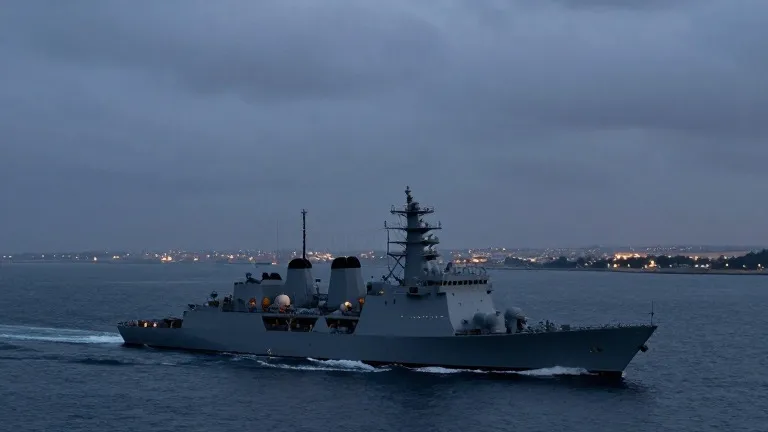
Ten days have passed since the last American strike on Iranian soil, and President Masoud Pezeshkian now says the United States ended the interim agreement meant to stop the fighting. Speaking on Saturday in remarks broadcast by Press TV, Pezeshkian placed the blame for the collapse on Washington. He argued that both nations should return to the table to conclude the deal.
The comments arrive as fears mount that military operations could restart by this weekend. On Friday, US President Donald Trump suggested he might launch another round of attacks, referring to the operation by its codename, Epic Fury. That conflict began on February 28 and involved both the United States and Israel.
Iranian military officials have responded with strong warnings. The Islamic Revolutionary Guard Corps stated that even limited strikes would provoke a retaliation several times greater in scale. Ali Abdollahi, the chief of staff for the Iranian Armed Forces, told Fars News Agency on Saturday that US forces are not welcome in the Gulf under any circumstances. He said Trump could only dream of seeing American troops enter the region and that he would take that dream to his grave.
Political pressure is building on both sides of the conflict. Israeli Prime Minister Benjamin Netanyahu remains committed to overthrowing the Iranian government. Israelis vote for a new government on Tuesday. In the United States, Trump faces midterm elections on November 3. Democrats could win control of both the House of Representatives and the Senate, a result that would deal a major blow to Trump with more than two years remaining in his final term.
Fatemeh Mohajerani, the Iranian government spokesperson, said Tehran will not wait for permission to defend itself. In a memo, she wrote that the country seeks peace but will respond to aggression with severe consequences. She added that Iran does not flee from dialogue but will not hesitate to defend the nation.
Meanwhile, Supreme Leader Mojtaba Khamenei met with judiciary chief Gholamhossein Mohseni Ejei on Saturday. They discussed tackling corruption and pursuing compensation for Iranians affected by the war. Khamenei took office in early March after his father was assassinated during the opening strikes on February 28. He has not appeared in public since assuming the role. Parliament Speaker Mohammad Bagher Ghalibaf, who serves as the chief negotiator, reported meeting Khamenei earlier in the week.