Wolves Invade Finnish Villages After Google Clears 1,300 Acres for AI Hubs
The removal of forest habitats near Muhos and Otanmäki has displaced wildlife, forcing wolves into residential areas and sparking a local safety crisis.
By Sakura Novak ·
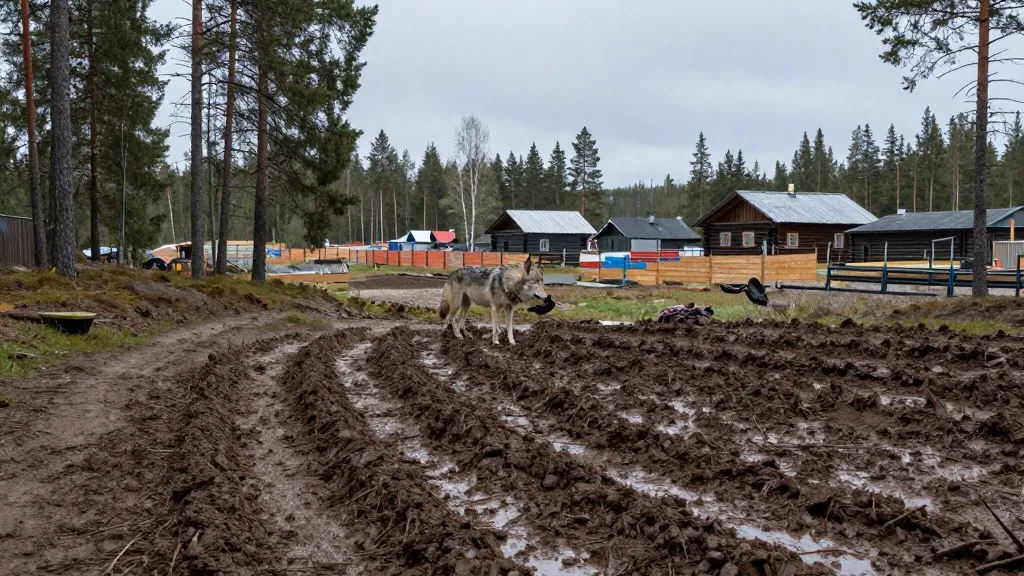
Wildlife is moving into residential areas in southeastern Finland as a direct consequence of massive deforestation linked to the construction of artificial intelligence data centers. Residents report that wolves, previously confined to the deep forests, are now roaming through neighboring villages. This shift is not merely an ecological nuisance but a growing safety concern for families living in the countryside. The tension between rapid technological expansion and local stability has reached a breaking point in the region.
The conflict centers on the actions of Google, which has cleared significant tracts of land near the village of Muhos and the area of Otanmäki. Reports indicate that 816 acres of forest have been transformed into a muddy expanse due to the construction activities. Additionally, another roughly 500 acres have been cleared in the vicinity of Otanmäki, located 55 miles southeast of the village. These sites are intended to house new data centers designed to support the company's AI infrastructure.
The timeline of events reveals a pattern of regulatory friction. Earlier this month, the Finnish Licensing and Supervision Authority, known as LVV, issued a formal order for Google to cease its construction work in the Muhos and Kajaani areas. This directive came after the company was found to have proceeded with development without proper authorization. The stop-work order highlighted that the scale of the environmental impact had exceeded the bounds of local policy. Google’s Finland country manager has since apologized for the unauthorized clearings, acknowledging the disruption caused to the local landscape.
Local residents have voiced their frustrations for some time, but the arrival of wolves has intensified the anger. Anni Ranta, a 53-year-old resident whose family has lived in Otanmäki for generations, explained that the displacement of wild animals from the forest has led them into the village. She stated, “We had wolves coming into the village because all the wild animals moved out of the forest.” Ranta also expressed a separate strategic concern, fearing that the presence of large, U.S.-owned data centers could make Finland a more attractive target for Russian aggression.
The environmental damage extends beyond the visual impact of mud flats. Locals have complained about the noise from construction and factory operations. They have also noted that nearby streams have turned brown, indicating potential water contamination. Furthermore, rare bird species have been pushed out of their traditional habitats. These issues mirror similar controversies seen in the United States and other countries where AI developers have sought to build large-scale facilities in previously undeveloped areas.
A representative from the Finnish Association for Nature Conservation described Google’s handling of environmental policies as unprecedented and clearly flawed. The organization’s stance aligns with the actions of the LVV, which moved to halt the project to protect the remaining natural resources. Despite the regulatory pressure, a Google spokesperson maintained a positive outlook on the situation. The company stated, “We will fully comply with LVV’s requests in this matter.” They added that they look forward to maintaining an active and open dialogue with authorities to strengthen their partnership with Finland and local organizations.
Looking ahead, the situation remains fluid. Google must now navigate the stop-work order while attempting to preserve its relationship with Finnish regulators and the local community. The company is likely hoping that the promised economic benefits of the data centers will sway decision-makers. However, the immediate focus has shifted to the safety of residents and the fate of the displaced wildlife. The muddy wastelands where the forest once stood now stand as a stark symbol of the rapid, and sometimes chaotic, pace of the AI buildout in Europe.