Twin Cities carshare: 4,000 members left without vehicles
Rep. Katie Jones plans a bill for Metro Transit to take over carshare operations following the end of the 21-year-old HOURCAR service.
By Sakura Novak ·
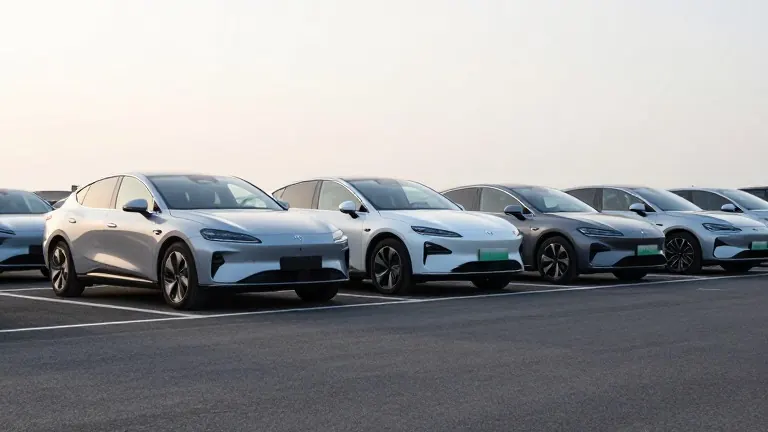
More than 4,000 active carshare members in the Twin Cities lost access to their vehicles when the HOURCAR program ceased operations. The service, which included the fully electric Evie fleet, had been a primary mode of transport for residents who rely on shared vehicles for daily errands and medical appointments.
The HOURCAR non-profit announced on Oct. 8 that it would discontinue its services after 21 years. The organization cited a $625,000 funding gap caused by rising insurance costs and the loss of state and federal grants. Although the group raised prices in 2025 and received supplemental funding from Minneapolis and St. Paul, the financial strain proved too great to sustain the program. The announcement came shortly before the 2027 legislative session, prompting a rapid response from local advocacy groups.
Rep. Katie Jones is preparing a bill for the 2027 Minnesota legislative session. The proposal would authorize Metro Transit to operate a car-share program. Jones stated that Metro Transit has a vested interest in continuing the service because former members who purchase new cars may stop using public transportation. She also expressed concern about the environmental and financial costs of adding thousands of new vehicles to the road.
Neighbors for Community Carshare is working with Jones to support the bill. Noah Velick, a former HOURCAR employee and member of the group, said the organization is seeking funding from local city and county leadership. This funding would allow the group to continue operating a carshare service using HOURCAR's existing fleet of vehicles while the legislative process unfolds.
Susan Van Pelt, a 63-year-old Minneapolis resident, used HOURCAR for nearly 20 years. She lives on a fixed Social Security and disability income and does not own a car. Van Pelt said she relies on public transportation for short trips but will need to use more expensive services like Uber and Lyft for longer distances and large grocery runs. "If you don’t need to own a car and pollute and use fossil fuels, don’t do it," Van Pelt said.
Velick noted that many former users are considering purchasing cars even if they cannot easily afford them. "They can’t get to their medical appointments, or they can’t go grocery shopping easily without a car," Velick said. "So they’re considering making sacrifices in other areas of their life just to be able to buy a new car." Olu Famile, a user since 2022, said he has been staying home more to avoid complicated transportation arrangements.
A rally on Oct. 13 drew more than 100 community members who advocated for the continuation of the service. Many participants expressed frustration over the last-minute announcement. The HOURCAR announcement stated, "Until recently, we believed we could solve the funding challenge without disrupting service."
The next step involves Jones introducing her bill to the legislature. Advocates and officials continue to work on securing interim funding to keep the existing fleet on the road until a permanent solution is in place.