Dietitian Names Top Plant Proteins for Lowering Inflammation
Registered dietitian Natalie Rizzo identifies walnuts, edamame, and chia seeds as key sources of compounds that help manage chronic inflammation.
By Kwame Silva ·
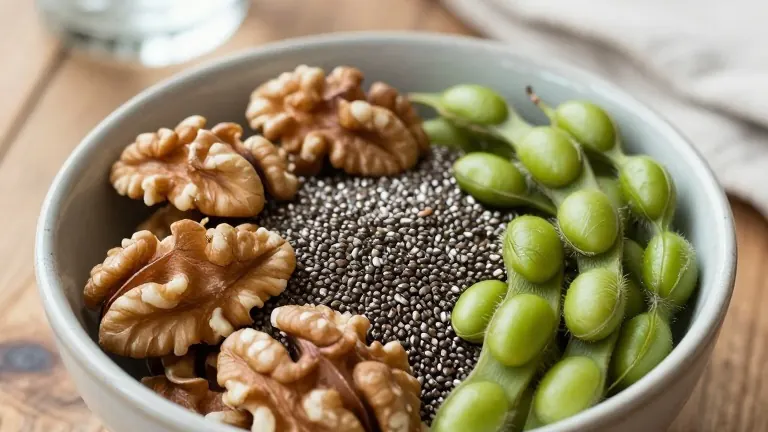
For people managing chronic inflammation, the choice of protein source matters as much as the amount consumed. Natalie Rizzo, a registered dietitian and nutrition editor for TODAY, states that plant-based proteins offer specific compounds that can reduce the body's inflammatory response. She notes that while inflammation is a normal immune function, chronic cases are linked to cardiovascular disease and Type 2 diabetes. Regular consumption of anti-inflammatory foods can help lower these risks.
Rizzo explains that several components in plant foods contribute to this effect. Antioxidants and polyphenols neutralize free radicals that damage cells. Unsaturated fats displace pro-inflammatory saturated fats in the diet. Fiber supports gut bacteria that produce compounds associated with lower inflammation. Because no single compound performs all these functions, Rizzo advises eating a variety of these foods rather than relying on one superfood.
Walnuts are her top recommendation. A one-ounce serving provides four grams of protein and two grams of fiber. The nuts are rich in antioxidants and alpha-linolenic acid, or ALA, which is a plant-based omega-3 fatty acid. Rizzo says omega-3 fats help regulate the body's inflammatory processes. She suggests roasting walnuts with maple syrup and cinnamon for a snack or adding them to oatmeal and salads.
Edamame, which are immature green soybeans, offer another option. A half-cup serving contains nine grams of protein and four grams of fiber. Rizzo points out that soy is a complete plant protein that provides isoflavones with antioxidant properties. While tofu and soy milk also contain these isoflavones, edamame add the benefit of gut-healthy fiber. She recommends roasting them with savory seasonings for a crispy snack or adding them to noodle dishes.
Seeds provide a third category of anti-inflammatory proteins. Rizzo highlights chia seeds for their high content of ALA and fiber. A two-tablespoon serving yields 10 grams of fiber and five grams of protein. She also mentions hemp seeds, which are similarly high in ALA but contain more protein. A three-tablespoon serving of hemp seeds provides 10 grams of plant-based protein. Consumers can mix these seeds into smoothies, baking, or overnight oats based on their meal needs.
The specific nutrient profiles of these foods allow them to address different aspects of inflammation. Walnuts and chia seeds focus on omega-3 fatty acids, while edamame contribute isoflavones and fiber. Rizzo emphasizes that the combination of these nutrients in plant foods creates a cumulative effect. She recommends incorporating these items into regular meals to maintain a consistent intake of anti-inflammatory compounds.