State says Jackass Hill is just a camp, not a protected site
A state report declares the Jackass Hill viewpoint no longer a protected site after finding a hearth dated to roughly 780 AD, allowing local parks to proceed with deep excavation.
By Kwame Silva ·
A preliminary state report released in October concluded that the viewpoint at Jackass Hill Park in Littleton is no longer a protected archaeological site, clearing the path for a planned renovation by South Suburban Parks and Recreation.
The excavation was triggered by hundreds of artifacts turned in by local residents Ned Sterne and advocate archaeologist Craig Banister. State officials examined 209 of these items, determining that 70% were cultural materials and the remaining 30% were unmodified rocks. This review followed community concerns that the area held historical value due to the volume of objects previously found.
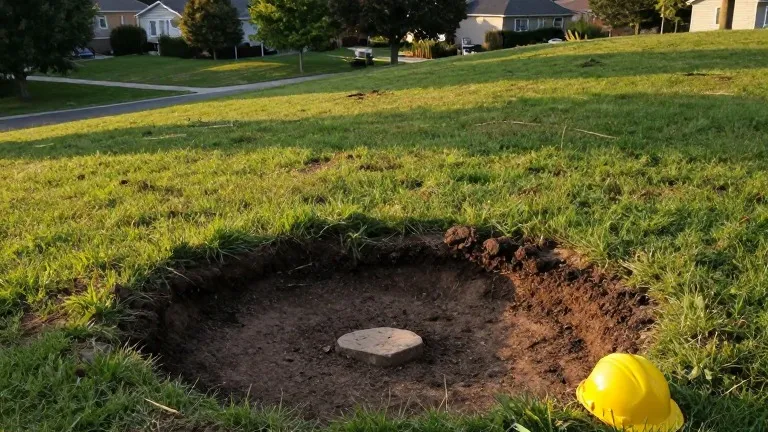
Dr. Holly Norton, the Colorado State Archaeologist, led a three-day investigation at the site. Her team used hand excavation to evaluate the location, recovering over 350 artifacts. The majority were undiagnostic bone fragments and small chipped stone flakes. The crew also uncovered a hearth in the same area where the larger lithic fragments were found. Norton stated that the collection was limited in scope and primarily consisted of materials indicating activities like tool production.
The report classifies the location as an indigenous open camp rather than a distinct site. Norton explained that determining what remains is difficult because the area has served as a neighborhood park for decades. She noted that many visitors collected artifacts over the years, effectively removing evidence from the ground. Consequently, the state no longer commits preservation resources to the viewpoint. She described the situation by saying, "For us: there's no longer a site."
A piece of charcoal from the hearth was sent to ICA Labs Inc for radiocarbon testing. The analysis found an 82.2% probability that the charcoal had a calibrated age between 670 and 780 AD. Banister believes more material likely remains underground, noting that it is rare for sites to survive in metro areas where land is often built over. He argued that the current shallow dig does not account for the full depth of history at the location.
Sterne expressed that he was not surprised by the state's conclusion given the shallow nature of the excavation. He argues that the hilltop, which data suggests was used for 8,000 years, should be left untouched. If that is not possible, he proposed a formal scientific excavation before construction begins. He warned against relying on heavy machinery, stating, "It should not be archaeology by backhoe, which is about what's going to happen."
South Suburban Parks and Recreation told Denver7 that it is hiring an archaeologist to monitor the upcoming construction. The planned work involves digging six feet deep. Norton said that digging deeper than the initial hand excavation could slightly increase the chance of finding more material. If new items are unearthed, the on-site archaeologists will help assess their significance.
The state's recommendation for monitoring aims to balance the renovation goals with potential new discoveries. South Suburban intends to proceed with the project under the oversight of the hired expert. The next step involves the actual construction phase, which will occur after the archaeological monitoring plan is finalized.
More Politics · Littleton news · Report a business · Got a Story?