Oil hits US$113, adding $36 to Australian fuel bills as Treasury cuts growth outlook
Treasurer Jim Chalmers acknowledges Treasury is lowering growth forecasts as Middle East conflict drives up energy costs.
By Kwame Silva ·
The global energy market has shifted sharply higher, pushing Australian fuel prices to new levels and forcing the federal government to revise its economic expectations downward. Treasurer Jim Chalmers is now facing a dual challenge of managing rising inflation while acknowledging that the country's growth outlook has weakened.
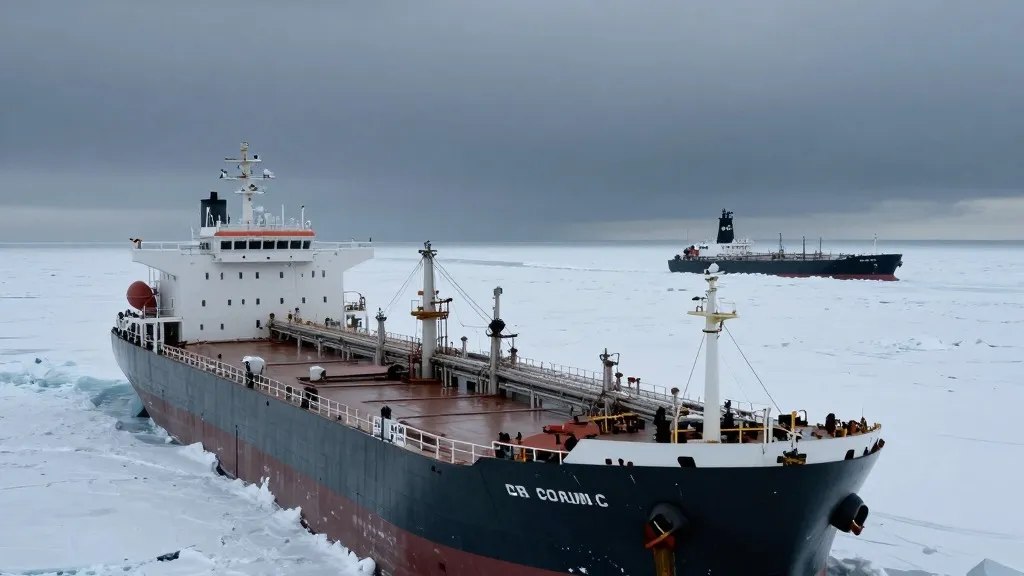
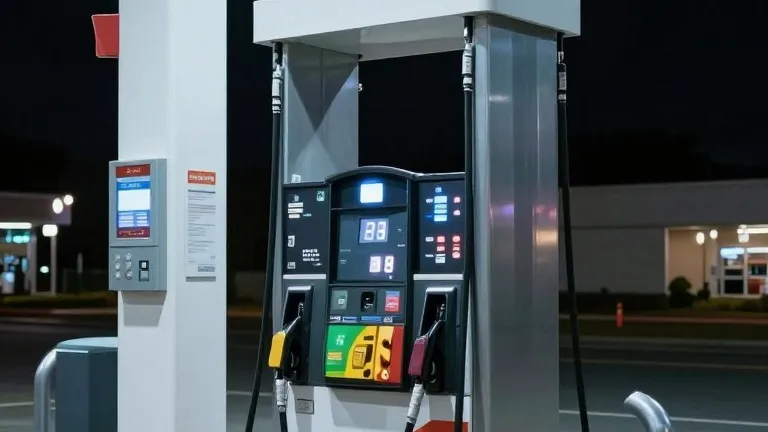
The global benchmark oil price rose overnight to US$113 a barrel. This figure places the market close to its April peak, which reached nearly US$120. For Australian drivers, this spike translates to a direct cost increase of 60 cents per litre compared to levels before the US and Israel attacked Iran. A full 60-litre tank now costs $36 more than it did in February. For a household that refuels weekly, that amounts to an additional $144 in monthly expenses.
Chalmers initially described the economy to voters as being "a bit better" in a speech last week. By Friday, his tone had shifted as he confirmed that Treasury officials are lowering their growth forecasts ahead of the December mid-year budget update. The revisions expect slower economic expansion and higher unemployment rates. Chalmers told Politico that the current pressures on people are "very substantial," a sentiment that reflects the strain on household budgets.
The primary driver of these costs is the widening conflict in the Middle East. The New York Times reported that the US and Israel have drafted plans to resume attacks on Iran after American midterm elections. Westpac analysts warned that an escalation could push oil prices toward US$150, a scenario the International Monetary Fund also flagged as a risk earlier this month. Such a price surge would intensify inflation and interest rate pressures, particularly with a potential fifth rate rise scheduled for 3 November.
Global financial markets are adding to the instability. Investors have grown anxious about rising corporate debt associated with artificial intelligence infrastructure projects. This concern triggered a steep sell-off on Wall Street. Andrew Hauser, the head of the Reserve Bank, described the combination of high inflation, low growth, and rising unemployment as a central banker's "nightmare." Chalmers noted that Australia is "hostage" to decisions made in Washington, Tehran, and Eastern Europe, which are driving inflation and weighing on global growth.
The government faces difficult choices in response. Chalmers has outlined options including temporary cuts to the fuel excise tax or larger spending cuts in the December budget. A fuel tax cut would provide immediate relief to drivers but could make it harder for the Reserve Bank to control inflation. Conversely, deep spending cuts would assist the central bank but risk pushing an already weak economy into further trouble. Both paths carry distinct economic costs.
Domestic factors compound the issue. High government spending works against inflation targets, while slowing productivity growth means the economy hits its speed limit sooner. Chalmers is working to balance these constraints, aiming to provide cost-of-living help while managing the budget responsibly.
More Business · World news · Consumer Watch · Report a business · Got a Story?