NHTSA Proposes Cyan Lights to Identify Robotaxis
Federal regulators are seeking to standardize the use of blue-green lamps on autonomous vehicles to help other road users distinguish them from human-driven cars.
By Sakura Novak ·
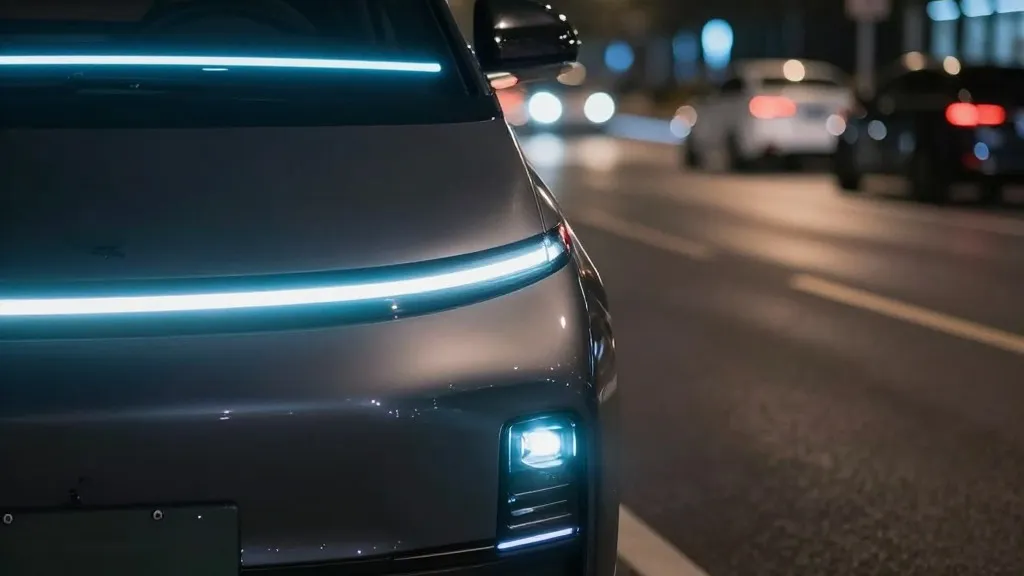
The National Highway Traffic Safety Administration has released a proposal that would establish a distinct visual cue for driverless vehicles. The agency wants autonomous cars to project cyan-colored marker lamps, a specific shade of blue-green, to indicate that an automated system is in control. This move follows a long period of industry debate regarding how robotaxis should communicate their status to pedestrians and other drivers. By setting a uniform standard, the NHTSA aims to resolve the confusion caused by various manufacturers using different signals, such as flashing text or unique audio alerts.
The selection of cyan is driven by a need to fill a visual gap in current traffic lighting. Existing regulations already allocate red, amber, and white lights for standard functions like braking and turn signals. Emergency vehicles use flashing blue and red beacons. By introducing a new color, the agency hopes to create a clear identifier that does not overlap with established meanings. While Mercedes-Benz previously received state-level approval for turquoise lights on its Level 3 Drive Pilot vehicles, the automaker later abandoned that approach in favor of a different system. The federal proposal seeks to create a consistent national framework for operators like Waymo, Nuro, and Zoox, as well as traditional automakers.
Under the new draft rules, the cyan lights would be optional for manufacturers. However, if a company chooses to install them, the NHTSA intends to dictate the specific color, brightness, and placement. This standardization is designed to prevent a fragmented landscape where different robotaxi services use conflicting visual signals. The goal is to ensure that law enforcement and other road users can reliably identify an autonomous vehicle based on a single, legal setup rather than a mix of proprietary designs.
The proposal also includes a significant reduction in legacy lighting requirements that are irrelevant for vehicles without human drivers. The agency plans to remove mandates for physical hazard switches, manual beam shifters, and internal turn levers. Additionally, the NHTSA is updating the testing standard for 12.8-volt systems to accommodate modern LED architectures. This change is intended to reduce administrative hurdles for automakers building cars with advanced electronic components. The agency is also reconsidering rules that dictate the vertical positioning of high-beam lights relative to low-beam lights.
This regulatory update fits into a broader effort by the Department of Transportation to streamline the deployment of autonomous vehicles. The federal government is working to simplify the certification process for cars that lack traditional controls like steering wheels and pedals. By removing outdated requirements, the agency hopes to accelerate the transition toward human-free vehicle designs. The changes reflect a shift in how the government views the relationship between vehicle hardware and driver presence.
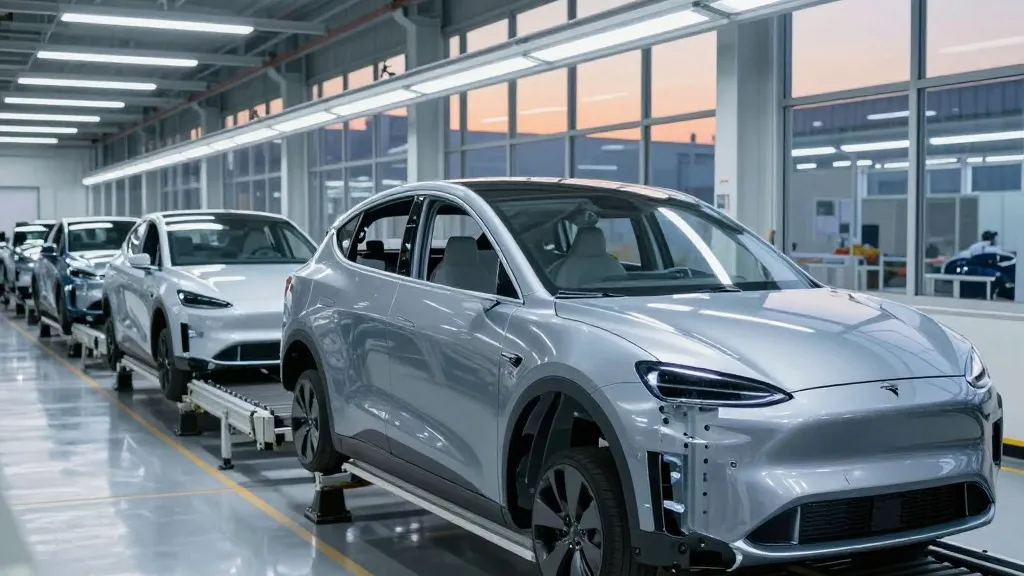
Despite the push for modernization, regulators are still strictly enforcing existing rules during the transition period. Last month, the NHTSA initiated an audit query into the Tesla Cybercab. The investigation focuses on the technical data Tesla relied on to certify the vehicle. The core issue involves the absence of sideview mirrors, pedals, and a steering wheel, all of which are currently required under the Federal Motor Vehicle Safety Standard. This action highlights the tension between the agency's desire to modernize rules and its duty to enforce current standards until new ones are finalized.