Diplomatic Friction: UN Assembly Prepares for Historic Embargo Vote
Sharp confrontations between US and Cuban officials have marked the final days before the General Assembly votes on a resolution condemning Washington's economic policies.
By Lina Lewis ·
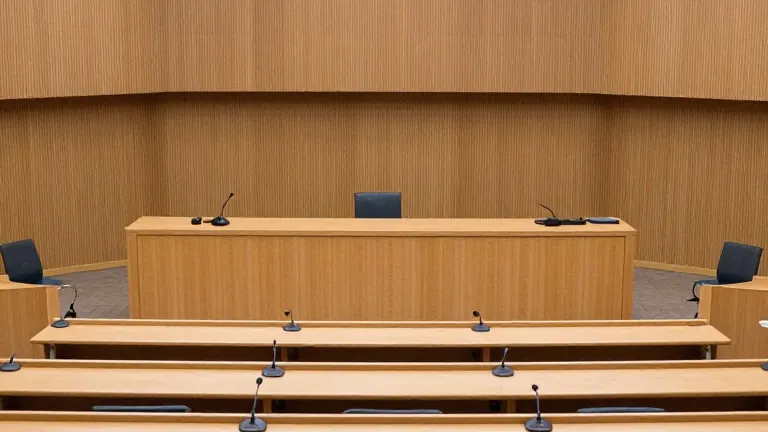
The United Nations General Assembly is set to cast votes on Wednesday regarding a resolution that criticizes the United States for its economic embargo on Cuba.
The measure, which targets what it terms Washington's maximum pressure policy, has been presented to the 193-member body for 34 straight years. The vote is expected to pass with overwhelming support again. The most recent tally from last year recorded 165 votes in favor, 7 against, and 12 abstentions. While the resolution is not legally binding, it functions as a measure of international opinion. Uncertainty remains regarding whether the administration's active effort to influence the outcome will lead to more opposition or abstentions from key Western allies.
Tensions escalated visibly on the Assembly floor on Tuesday. US Ambassador Mike Waltz and Cuban Foreign Minister Bruno Rodríguez engaged in a shouting match during the debate. Rodríguez moved to the podium, called Waltz a liar, and attempted to raise a point of order. As security staff intervened, Waltz stated, "This individual needs to back away from this podium. He's not going to intimidate me in the United States of America." He added, "You understand who you're dealing with? This is America. Back up."
Rodríguez responded on the social media platform X, noting that Waltz was speaking at the United Nations rather than a White House meeting. He described the US action as another desperate attempt to justify economic aggression and a criminal energy blockade. This incident follows a similar confrontation a week earlier between Waltz and Cuban diplomat Ernesto Soberón Guzmán outside a panel featuring Cuban dissidents. These public clashes signal a departure from the standard diplomatic decorum expected at the organization.
The vote comes as Cuba faces deepening financial crises while the United States tightens its economic hold. President Donald Trump recently suggested that US warships could stop in Cuba on their return from the Iran conflict. In late January, the administration announced tariffs on any country supplying oil to Cuba. This move has effectively cut off fuel to the island, leading to widespread blackouts that disrupt cooking, water supply, internet, and telephone services.
The current economic pressure builds on a history dating back to 1960. The embargo was imposed after Fidel Castro led a revolution that overthrew dictator Fulgencio Batista. The new government subsequently nationalized property owned by US citizens and corporations. Cuba has endured decades of hardship since that period, and current conditions have pushed the island toward a breaking point.
More World · National news · Report a business · Got a Story?