Democrats seize both chambers as voters reject war and high prices
A historic shift in power occurred as Democrats gained control of the Senate and House, driven by dissatisfaction with the Iran conflict and economic costs.
By Kwame Silva ·
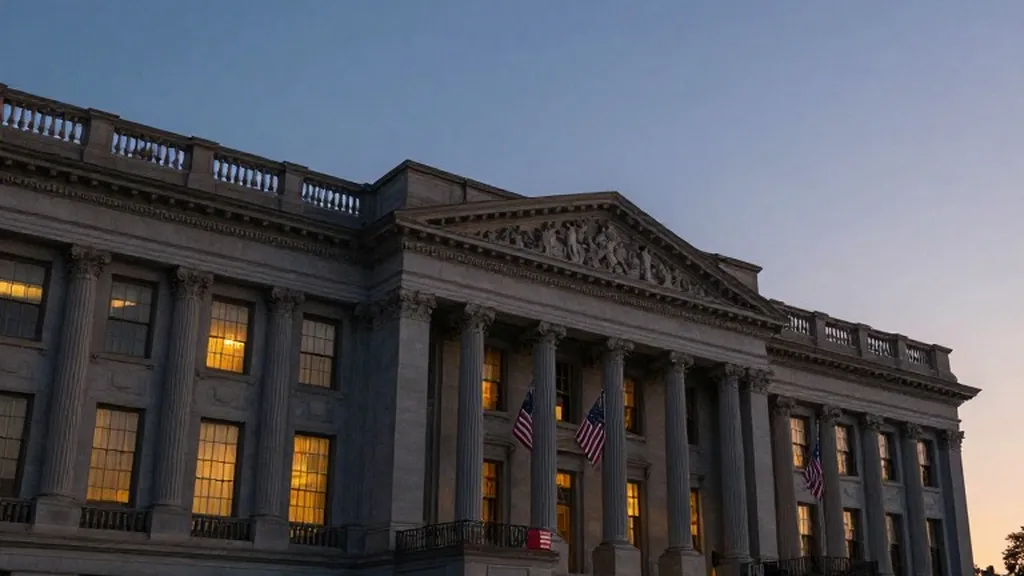
Voters delivered a decisive mandate for change on Tuesday, November 3, 2026, as Democrats captured control of both the U.S. House of Representatives and the U.S. Senate. This outcome marks a significant reversal for the Republican Party, which had held majorities in both chambers heading into the midterms. The Associated Press noted that the election served as a sharp referendum on President Donald Trump's second term, with the electorate expressing deep dissatisfaction with the direction of the country. The results confirm that the political landscape has shifted dramatically, ending the Republican control that had persisted since the 2024 elections.
In the U.S. Senate, Democrats won 20 of the 35 seats up for election, while Republicans won 13. This net gain of seven seats for Democrats flips the chamber, which previously had a Republican majority of 53 to 47. The Associated Press highlighted that Democrats had needed a net gain of four seats to secure the majority, a threshold they surpassed comfortably. The flip in control is particularly notable given that the Senate map was widely seen as favoring Republicans earlier in the year. This victory positions Democrats to set the legislative agenda and control committee assignments in the upper chamber starting in January 2027.
The U.S. House of Representatives saw an even more dramatic swing, with Democrats winning 238 of the 435 districts compared to 146 for Republicans. This represents a net gain of 33 seats for the Democratic Party, which had needed to gain three seats to take back the chamber. The Associated Press reported that the unexpected national effort by Republicans to reshape House districts failed as the party's intended defenses were swept aside by a strong Democratic turnout. The new House majority will begin its term on January 3, 2027, giving Democrats full control over the lower chamber's rules and oversight functions.
President Donald Trump faced the brunt of the voting discontent, with the Associated Press noting that his party's losses were driven by anger over high prices and the ongoing war in Iran. Trump had campaigned vigorously, telling voters to act as if he were on the ballot, and had declared in a Fox News interview that inflation was solved despite data showing consumer prices rose 3.6 percent in September. The Associated Press reported that the AP Voter Poll indicated that about three-quarters of voters felt angry or dissatisfied with the country's trajectory, with three-quarters saying the economy was not so good or poor. These economic grievances, combined with fatigue over the Iran conflict, formed the core of the Democratic victory message.
The war in Iran emerged as a critical factor in the election outcome, with the Associated Press reporting that the conflict had reached into the pocketbooks of families through elevated gas prices and rising costs. Trump had threatened to return to full-scale bombardment of Iran if the elections did not produce a settlement, but the Democratic victory suggests voters rejected that posture. The Associated Press noted that the price for a barrel of Brent crude oil tumbled below $95 on Wednesday after the election, touching its lowest level in two months. This market reaction signals that investors and voters alike are wary of further escalation in the Middle East, a concern that heavily influenced the midterm results.
On the state level, Democrats also made significant gains in governorships, winning 22 of the 36 races. This net gain of five governorships shifts the national balance of executive power, with Democrats now holding a majority of statewide executive offices. The Associated Press reported that four governorships changed party hands in Georgia, Iowa, Ohio, and Texas, all moving from Republican to Democratic control. These state-level victories provide Democrats with a broader platform to implement policy changes and coordinate with the new congressional majorities. The shift in state executive power underscores the breadth of the Democratic surge across the country.
Corruption topped the list of concerns for voters who ousted Republicans, with roughly half citing it and the cost of living as crucial to their vote. Senior Democrats in both chambers have already vowed to use their new subpoena powers to probe President Trump and his associates. House Democrats, led by expected Speaker Hakeem Jeffries, are preparing a vast oversight agenda to examine how the president and his family have become wealthier since he returned to office. The Associated Press noted that Democratic leader Chuck Schumer said Americans want the party to clean up corruption in government. This focus on oversight is expected to define the early days of the new congressional session.
The election also saw a historic shift among Latino voters, with Reuters reporting that millions swung back toward Democrats across the country. This demographic shift was evident in border counties in Texas and meatpacking towns in Kansas, as well as in states like Colorado and Arizona. The Associated Press noted that record Election Day diesel and gasoline prices helped push Americans toward Democrats, with voters citing the cost of living in their decisions. The broad coalition of voters who supported the Democratic candidates included independents and moderates who were previously aligned with Republicans. This coalition suggests a durable shift in the electorate that will shape future elections.
The election brought a wave of historic firsts, including Abdul El-Sayed becoming the first Muslim American U.S. Senator. El-Sayed's victory in Michigan was celebrated widely, with Arabs from Michigan to the Middle East delighting in his use of terms like habibi and inshallah in his victory speech. The Associated Press noted that El-Sayed mocked his critics on the right, including Vice President JD Vance, by addressing him as JD, habibi in his speech. This moment of cultural connection highlighted the changing face of American politics and the growing influence of diverse candidates in national elections. The victory was seen as a milestone for representation in the U.S. Senate.