Damascus Seizes Explosives in Alleged Hezbollah Plot on Homs Refinery
Syrian intelligence arrested two suspects linked to Lebanon's Hezbollah, a group that denied involvement after a high-level Lebanese delegation visited the capital.
By Kwame Silva ·
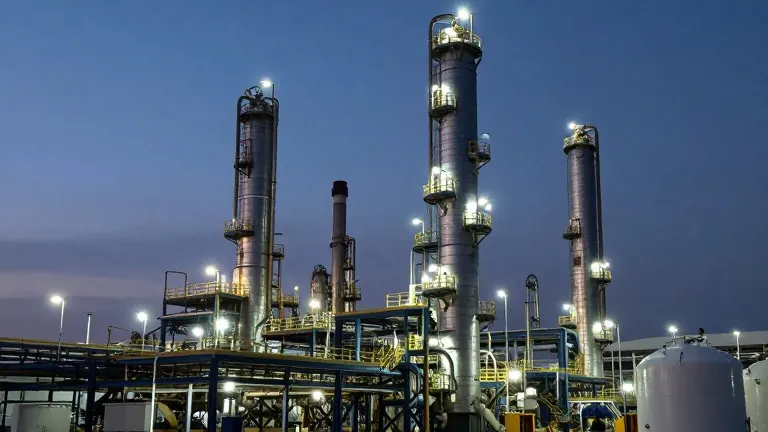
Syrian authorities announced Tuesday that their security forces arrested two men suspected of plotting an attack on the Homs oil refinery. The Internal Security Forces said the General Intelligence Directorate seized explosives and other equipment during the operation, claiming the move thwarted a planned strike on the facility.
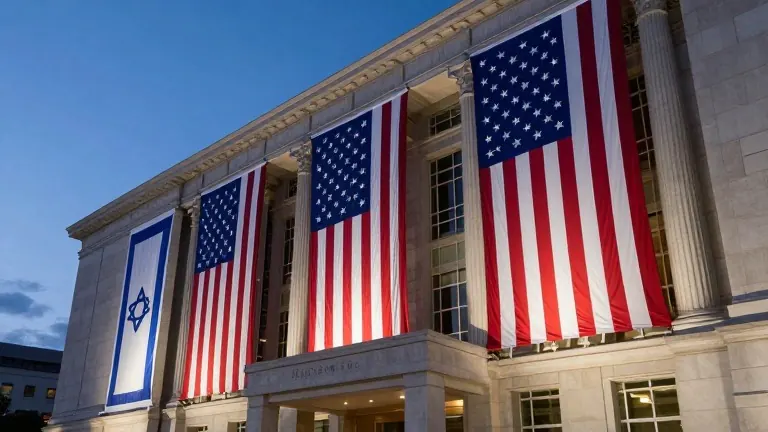
The announcement followed a visit to Damascus by a Lebanese ministerial delegation on Monday. Led by Deputy Prime Minister Tarek Mitri, the group discussed security coordination, border management, and the status of Syrian refugees in Lebanon. The timing of the Syrian disclosure raised questions about the state of bilateral relations, particularly as the two nations work to formalize cooperation after the fall of Bashar al-Assad's government in December 2024.
Hezbollah issued a statement through its media relations office to reject the allegations. The group claimed it had no organizational or operational presence inside Syria and was not engaged in activities that threatened the country's stability. Despite the denial, Syrian officials stated that the two detainees, identified only by the initials M.S. and B.Sh., were linked to the Lebanese militant group.
Initial reports of the foiled plot emerged on Sunday, November 1, when a source in the General Intelligence Directorate said a threat to the refinery had been stopped. It took two additional days for authorities to publicly connect the suspects to Hezbollah. The Homs refinery serves as one of Syria's primary facilities for producing petroleum products. The plant completed maintenance and rehabilitation work in October to support domestic output.
Lebanese cleric Sheikh Issa Khair al-Din from the Beqaa Valley suggested the incident fits a broader pattern of regional tension involving Iran. He argued that Tehran may seek to pressure global energy markets to demonstrate the economic cost of a military confrontation. Khair al-Din noted that the timing of the arrest coincided with the arrival of Labor Minister Mohammad Haidar, a nominee from Hezbollah, in Damascus.
Khair al-Din characterized Lebanese-Syrian relations as fragmented, comparing them to interactions between militias rather than sovereign states. He cited competing allegiances within Lebanese politics that affect security institutions and decision-making processes. The Syrian government has not yet released detailed judicial findings or independent evidence to confirm the suspects' links to Hezbollah, leaving the dispute over the plot's origin unresolved.