Dakar's Olympic Ambition Meets Economic Reality: Youth Struggle Amid Rising Costs
As the first Olympic event in Africa opens in Senegal, local residents face a sharp contrast between national celebration and a deepening cost-of-living crisis.
By Sakura Novak ·
The opening of the Youth Olympic Games in Dakar on Saturday marks a historic milestone for the continent, yet the event has intensified a domestic debate over financial priorities. While officials tout the Games as a legacy project for Senegal’s youth, many residents argue that immediate economic pressures have overshadowed the sporting spectacle. The central tension lies between the symbolic weight of hosting the first Olympics in Africa and the daily grind of a population grappling with inflation and unemployment.
The economic backdrop is defined by a severe cost-of-living crisis that has eroded household budgets across the country. In recent months, the price of meat jumped from 3,000 CFA francs to 5,500 CFA francs per kilogram, a spike that has forced families to cut back on essentials. Government finances remain constrained by a massive debt burden, including billions of dollars in hidden borrowing uncovered by a previous administration’s audit. To address this, Senegal is pursuing a 2.2 billion dollar loan from the International Monetary Fund, a move that necessitates tighter spending controls. In August, the state already raised gasoline and diesel prices, citing its inability to fully absorb global oil market increases.
Young Senegalese, who make up 75 percent of the population, feel the impact most acutely. With youth unemployment standing at 23 percent and a large share of workers in the informal sector, the promise of Olympic benefits often feels abstract. Paulina Netinan Nodjibougada, a 26-year-old accounting student, described the Games as distant from her reality, noting that her family worries dominate over athletic competitions. She argued that while the event is historic, the government must address the struggles of the majority who are trying to secure stable work and cover daily expenses.
The government has committed 36 billion CFA francs to the event, including 11.3 billion CFA francs for venue renovations. This spending has drawn scrutiny, particularly after a 500 million CFA franc contribution from the president’s wife’s foundation for tickets to disadvantaged youth prompted questions about the source of the funds. Although authorities stated the money came from donors, critics continue to demand greater transparency. President Bassirou Diomaye Faye has defended the investment by pointing to improved infrastructure and contracts for local companies, supported by international partners and the International Olympic Committee.
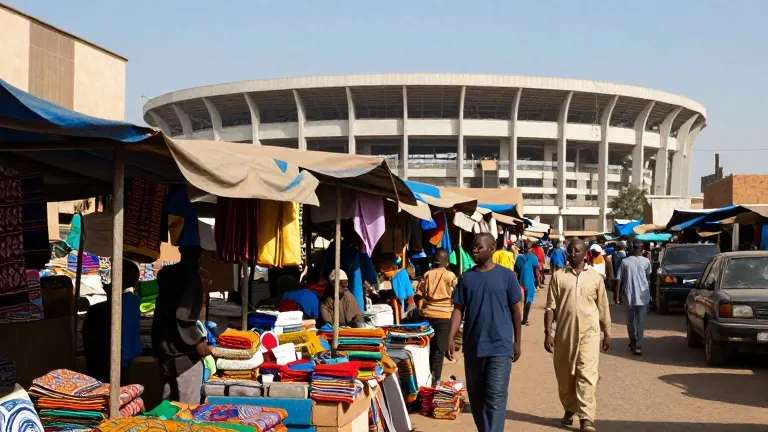
In the Medina neighborhood, preparations have directly affected local livelihoods. Mamadou Wadji, who leads a shoemakers’ cooperative, reported that his group was relocated from a busy market to an unfinished school building. Sales have declined as customers struggle to find them, and his daily household budget has doubled from 5,000 CFA francs to 10,000 CFA francs. Road closures and reserved lanes around venues have added to the frustration for residents who must navigate these disruptions to maintain their businesses.
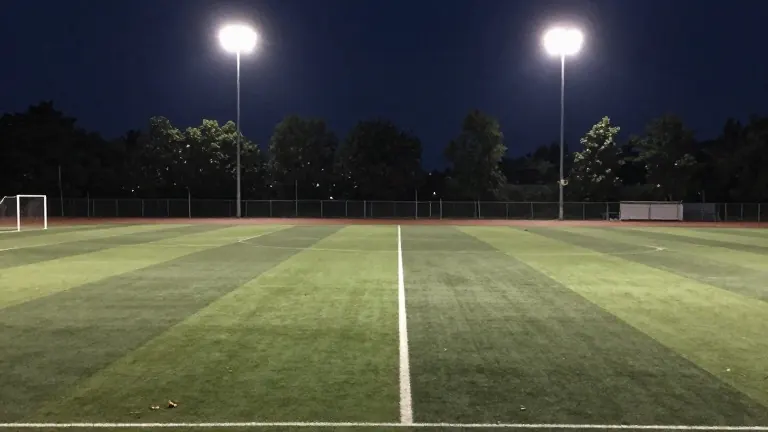
The Games run through November 13, bringing approximately 2,700 athletes to Dakar and nearby cities. While competition tickets start at 1,000 CFA francs and free fan zones are available, participation often requires workers to take time off from their jobs. The event concludes in two weeks, leaving the underlying economic challenges unresolved for a population that has already experienced street protests over unpaid student aid and poor working conditions this year.