CapMetro: On-route top-ups let Austin electric buses skip overnight charging
CapMetro activated a 2.9 MW charging network that allows 48 buses to operate for up to 22 hours by topping up at intermediate stops.
By Lina Lewis ·
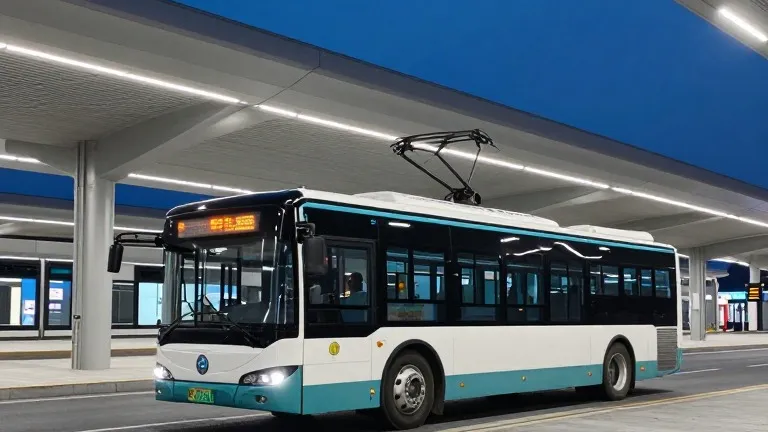
CapMetro has begun using overhead pantograph chargers at two new Austin transit hubs to extend the daily operating window for its electric fleet. The Goodnight Ranch and Expo Center facilities, which opened after an announcement in June, now serve the Rapid 800 and Rapid 837 routes. These terminals allow buses to recharge at the end of each run before making the return trip, eliminating the need for full overnight recharging at the main depot for every shift.
The infrastructure supports a fleet of 48 New Flyer Xcelsior battery-electric buses. At the central depot, infrastructure partner Camber Charging installed two 1,440 kW systems connected to 48 dispensers, creating a total capacity of 2.9 MW. This setup enables the agency to charge the entire fleet simultaneously overnight. The new route-end chargers act as a buffer, letting buses top up their batteries during service intervals rather than relying solely on the depot.
Andy Skabowski, CapMetro’s Chief Operations Officer and Executive Vice President, explained that this on-route strategy changes the service capacity of the vehicles. He noted that a standard bus typically holds eight hours of charge, but the pantograph system extends that window to 20 to 22 hours. Skabowski stated that this frequent charging enables a commitment to 10 to 15 minute service intervals, a schedule that would be difficult to maintain with depot-only charging.
The buses deliver up to 320 all-electric horsepower with full torque available at 0 rpm, a specification suited to Austin’s stop-and-go traffic patterns. While New Flyer indicates the platform can offer up to 660 kWh of available battery capacity, CapMetro did not list specific battery specifications for the vehicles currently in operation. The vehicles are built on the Xcelsior battery-electric transit platform.
Camber Charging manages the technical operations for all three locations, including the depot and the two new terminals. The company provides preventive maintenance, charger and energy management software, and remote diagnostics. This integrated approach allows CapMetro to monitor energy usage and equipment health across the network without on-site staff at every charging point.
The two new facilities were designed to improve passenger amenities while integrating the charging infrastructure. By placing chargers at the end of the lines, the agency addresses range limitations without adding intermediate stops for passengers. The system is now fully operational for the Rapid 800 and Rapid 837 lines, marking the completion of the initial phase of the electrification upgrade for these corridors.
More Business · Tech news · Consumer Watch · Report a business · Got a Story?