Water disputes shape Arizona midterm races
Candidates for governor, attorney general, and Congress are competing on solutions to the state’s drying river.
By Lina Lewis ·
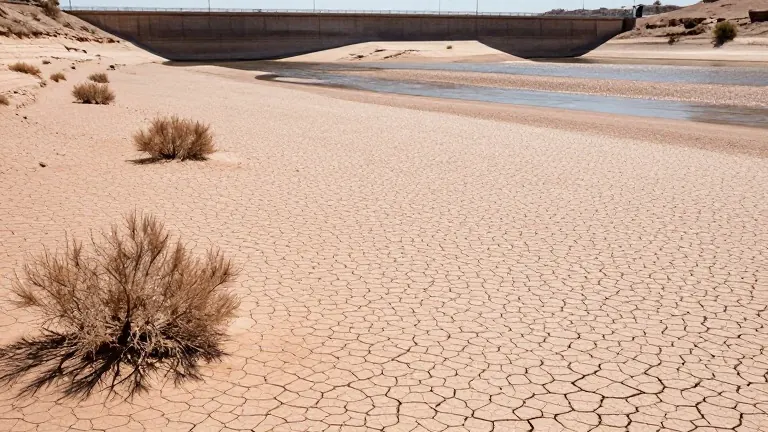
Arizona voters face a dry landscape in the 2026 midterms.
A National Audubon Society poll found that more than 90% of residents worry about the state’s water supply. Nearly two-thirds of those polled described their concern as very high. The numbers suggest a deep anxiety that candidates are now addressing directly in their campaigns.
The controversy centers on a federal plan from the Bureau of Reclamation. The plan proposes to reduce Arizona’s share of Colorado River water by 30% over the next two years. Democratic Governor Katie Hobbs joined a lawsuit filed by Nevada to block the plan on October 16. Her Republican challenger, Representative Andy Biggs of Gilbert, criticized the timing of the move. Hobbs defended her stance, stating she could not accept a forced federal plan that places the burden on families, farmers, and businesses. Tom Buschatzke, director of the Arizona Department of Water Resources, said the state intended to join the suit all along to protect its interests in settlement discussions.
The water issue has also defined the congressional race in the Oro Valley district. Democrat Jonathan Nez, a former Navajo National president, has made the topic a central part of his campaign against incumbent Representative Eli Crane. Nez ran on similar themes in 2024. He highlighted his experience negotiating water rights while leading the Navajo Nation from 2019 to 2023. Crane, who will leave Congress in early January after five terms, has supported legislation to address the shortage. In July, he cosigned a letter with other lawmakers urging House leaders to fund river improvements.
In the race for attorney general, Democrat Kris Mayes has also used the water crisis to define her campaign. She has cited her legal action against the Saudi-owned Fondomonte alfalfa farm as a key achievement. The state and neighbors argued the farm was pumping enough water to dry out nearby wells. Mayes’ advertisements feature a Phoenix mother expressing worry about her family’s future and praising the lawsuit. Her Republican challenger, State Senate President Warren Petersen, defended his position in a statement on July 31. Petersen said Arizona is prepared to be part of a responsible solution to the river’s condition. He also supports new investment in water infrastructure.
Political consultant Stan Barnes noted that the drought has lasted over 20 years. He said the failing river has made water the most important issue in this election cycle. Andrea Gerlak, director of the Udall Center for Studies in Public Policy at the University of Arizona, observed that water has always been a political issue. She pointed out that people understand there are winners and losers in water allocation. The federal plan’s release in July aligned with the start of the midterm campaign season, according to Gerlak. This timing has allowed candidates to frame their policy positions around a tangible local concern.
Biggs has emphasized finding new water resources as a priority. In September, he proposed a bill to boost investment in desalination, recycling, and water storage. The bill also aims to speed up construction of new infrastructure by scaling back environmental impact review requirements. Hobbs’ campaign has run advertisements that focus entirely on water protection. One ad references her decision to terminate a lease with the Saudi-owned alfalfa farm in 2023. Another features a Cochise County farmer who praised the governor for protecting rural areas from the federal government. The candidates are turning a long-standing environmental challenge into a central theme for the November vote.