Three Days: The New Target for UK Emergency Stockpiles
A new government push encourages households to hold a three-day reserve of essentials, prompting a mix of strategic planning and skepticism among residents.
By Kwame Silva ·
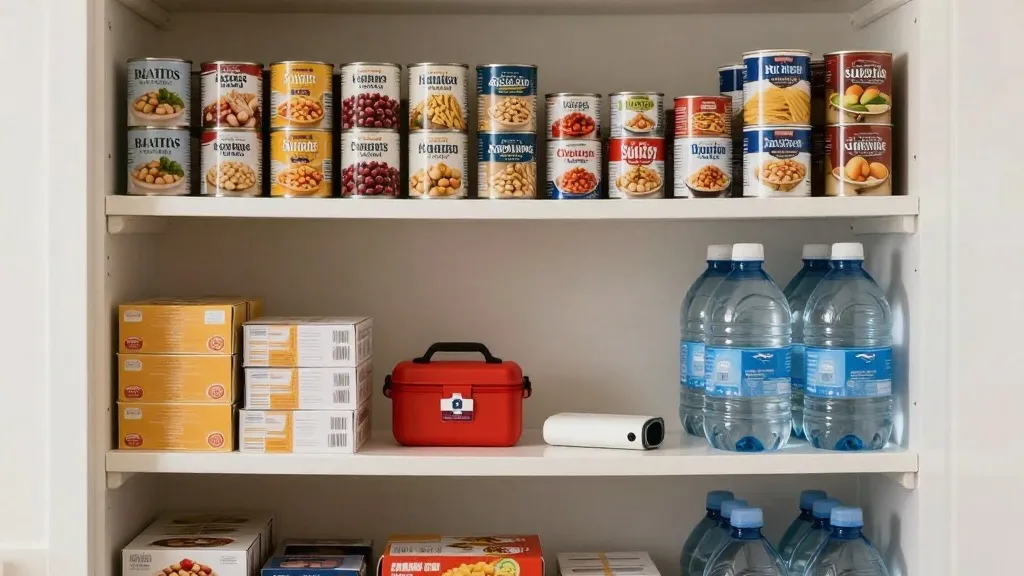
The UK government has launched a formal campaign urging citizens to keep a three-day supply of essential goods at home, a move that is rapidly reshaping shopping habits across the country. This directive, announced on Thursday, asks households to prepare for a broad range of potential crises, from severe weather events to geopolitical shocks. While the advice is broad, it has triggered a tangible shift in consumer behavior, with many families now treating basic survival items as routine household necessities rather than just emergency backups.
One of the primary drivers of this stockpiling trend is the perceived threat of state-sponsored terrorism from Russia, combined with the increasing frequency of climate-related disruptions. Officials have been sending out similar signals for months, but the official campaign has given the advice a new sense of urgency. For many residents, the goal is not to prepare for a specific disaster, but to build a buffer against the wide spectrum of modern risks. This approach reflects a broader national effort to enhance resilience in the face of an unpredictable global environment.
In Hampshire, Lawrence Barratt is taking a methodical approach to the new guidance. He began adding tinned and dried foods to his weekly shopping list about two weeks ago, citing the government's online advice as his initial trigger. His strategy focuses on items that require minimal preparation, such as beans, soups, and noodles, which can be cooked with the bottled water he is also accumulating. Barratt aims to secure enough supplies for two people for the full three-day period. He is also gathering non-food essentials, including a first aid kit, a battery-powered radio, and a torch. His portable power bank, originally used for camping, is part of his plan to keep electronics charged, potentially powering a television or a small heater if the grid fails.
In London, Marco Camurri and his family started preparing several months ago, prompted by early reports of supply chain issues linked to the El Niño weather pattern. Their stash includes pasta, canned goods, medicines, and toilet paper, along with stored wood for boiling water. The family keeps their car fuel tank above fifty percent and maintains charged power banks and flashlights. Because they consume what they buy, Camurri describes the process as simply extending their normal grocery cycle. They are now using a spreadsheet to track expiry dates, ensuring that their stockpile remains fresh and usable. For Camurri, the preparation is also about flexibility, as his family could potentially relocate to continental Europe if the situation in the UK deteriorates significantly.
Jack Davenport from North Shields cites similar concerns, noting that it is difficult to gauge the scale of the threats facing the nation. He points to a combination of climate disasters, energy insecurity, and aging infrastructure as key factors. Davenport suggests that the government's current messaging is an attempt to manage public anxiety by framing these events as manageable possibilities. He notes that many people have not experienced the kind of physical hardship that was common in previous generations, making the new advice feel both necessary and strange to a modern audience.
However, the campaign has not been universally well received. Deirdre O'Sullivan from Leicester describes the guidance as inadequate for a true emergency. She compares the advice to 1970s nuclear safety tips, arguing that it lacks precision regarding specific threats like water safety. She believes that a severe food shortage would likely be a prolonged event, making a three-day supply feel insufficient. O'Sullivan suggests that the policy is more about demonstrating that a plan exists than about providing a realistic solution to complex problems.
The response to the campaign highlights a nation in transition, balancing modern convenience with the need for preparedness. While some see the three-day target as a sensible starting point for personal resilience, others view it as a symbolic gesture that may not withstand the pressure of a genuine crisis. As households continue to adjust their routines, the coming months will likely reveal how deeply this new mindset has taken root in the British home.