Spain's daily set lunch hits 14.70 euros as weekly servings drop to four million
A new book argues the midday meal tradition is under pressure from rising costs and shifting habits, but it has not disappeared.
By Sakura Novak ·
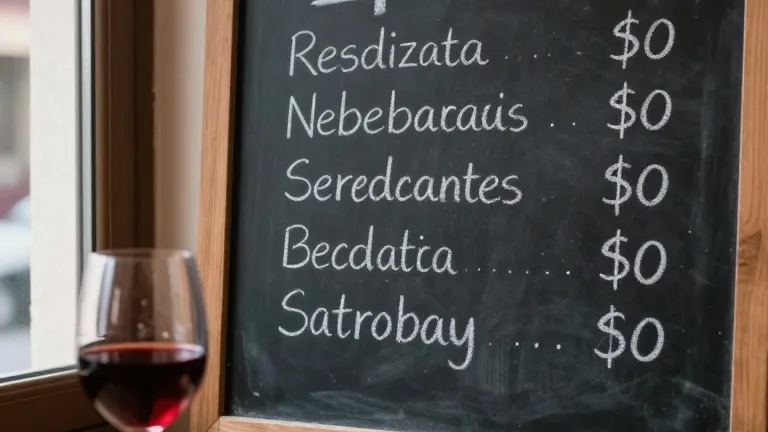
The average cost of the menú del día in Spain has reached 14.70 euros. This price point reflects a growing financial strain on the midday set meal. Despite the higher cost, approximately four million of these meals are still served on each weekday. The tradition remains a staple of working days, though its grip on daily life is loosening.
Spanish food journalist Lakshmi Aguirre has published a new book titled Menú del Día: Everyday Scenes of a First Course, a Second Course and Pudding. The work traces the history and current state of the practice. Aguirre argues that while the habit is facing trouble, it is not yet finished. She notes that the tradition has persisted for more than half a century.
The origins of the menú date to the mid-1960s. Manuel Fraga, the information and tourism minister under Francisco Franco, devised it as a tool to attract tourists. After the Spanish civil war and a period of scarcity, the government wanted to demonstrate that food was plentiful and affordable. Restaurants were legally required to offer specific components: a soup starter, a main dish of egg, fish, or meat with a side, and a fruit, sweet, or cheese pudding.
Regulations also fixed prices between 50 and 250 pesetas. To ensure quality, the law required the accompanying quarter-litre of wine to be a pure Spanish red or white with at least 12% alcohol. By the early 1970s, the offer was renamed to appeal to local residents rather than just foreign visitors. This shift helped integrate the meal into everyday Spanish life.
In 2009, chef Ferran Adrià declared the menú del día dead. He cited changing eating habits and the rise of bistro-style restaurants charging 20 to 30 euros for similar food. Seventeen years later, the practice continues, though in a diminished form. Aguirre says the earlier verdict was premature. The meal remains a visible fixture in restaurant windows across the country.
Current economic pressures are forcing many small, family-run restaurants to adapt. Rising energy and food costs make it difficult to offer a rotating daily choice. Some establishments have simplified their offerings to a single dish of the day. Others have added Latin American staples to reflect the changing demographics of their customer base. Aguirre views these changes as a natural evolution that mirrors society.
Consumer habits are also shifting. Many people with limited time now bring food from home or use supermarket ready meals. This trend reduces demand for the traditional sit-down lunch. Aguirre notes that nostalgia is growing as Spaniards realize the habit is fading. She points out that many people do not know the menu was originally a tourist initiative.
Aguirre shared her shock when people learned about the menu's origins. "It says a lot about us Spaniards; we forget very quickly," she said. She describes the menú as part of the country's history that reflects the evolution of Spanish society. For her, the loss of this tradition is more than a financial issue. It represents a social change in how people eat and gather.
Aguirre defines the true value of the menú as a meeting point. It provides a place where families with limited means can eat out and where people living alone can find company. She emphasizes that the privilege lies not just in affordability, but in having the time to enjoy the meal. "What's being lost is a meeting point," she said.