Gout Linked to Metabolic Health, Not Just Big Toes
Doctors explain how uric acid buildup signals underlying disease and why men face higher risk before menopause.
By Sakura Novak ·
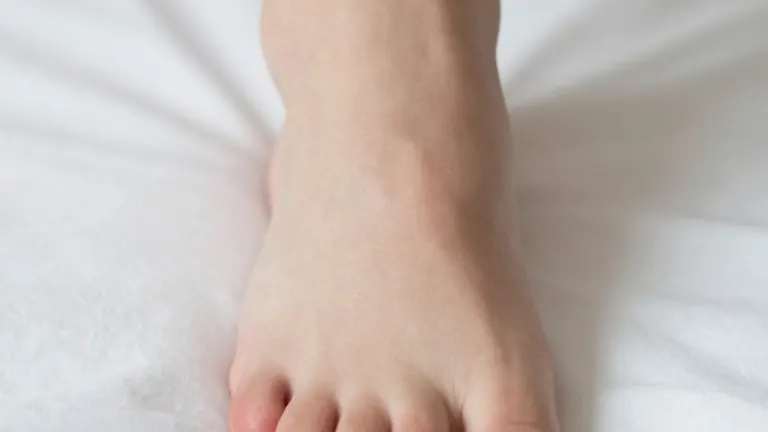
Dr. Rhea Rogers, a board-certified physician, describes gout not merely as joint pain, but as a biological signal for deeper metabolic issues. The condition begins when uric acid accumulates in the bloodstream, eventually forming crystals in joints and tissues. This accumulation triggers an inflammatory response that causes intense pain.
The Centers for Disease Control and Prevention classifies gout as a painful type of arthritis that typically affects a single joint at a time. While many people associate the condition with a red, throbbing big toe, a presentation known as podagra, Rogers notes that the sensation is often described as feeling like a shard of glass.
Gerontologist “Sam” Cradduck, who has witnessed her daughter suffer from the condition twice, explains that the pain is so severe that even walking near the affected foot can be distressing. Cradduck clarifies that the crystal itself does not cause the pain. Instead, the body’s immune system attacks the crystal as if it were a foreign object, leading to the intense inflammation.
Rogers emphasizes that high uric acid levels often indicate underlying health problems. She states that the condition can be a signal for metabolic disease, with many patients also suffering from insulin resistance, diabetes, or cardiovascular issues. Uric acid also reduces nitric oxide, a substance that helps arteries relax. This mechanism is similar to atherosclerosis, or the hardening of the arteries, making early recognition important for overall health.
Gender plays a distinct role in the prevalence of gout. Men are more likely to develop the condition than premenopausal women because they lack sufficient levels of estradiol. Estradiol offers a protective effect against uric acid buildup. As men age, testosterone levels decline and visceral fat often increases, further elevating risk. For women, the protective effect of estradiol diminishes after menopause, closing the gender gap in gout incidence.
Katherine Ambrose, an aging well coach, notes that gout has historically been called the disease of kings due to its association with rich foods and alcohol. Aging expert Amy O’Rourke points out that diet and lifestyle remain central factors. She observes that men often delay seeking treatment compared to women and advises partners and family members to encourage them to see a doctor promptly.
Treatment options include medication such as allopurinol, which lowers uric acid levels. Rogers also mentions that a combination of vitamin C, quercetin, and luteolin can naturally reduce uric acid through a similar mechanism. Dietary choices also impact risk, particularly the consumption of sugary foods and drinks. Fructose from these sources can raise insulin levels, causing the body to retain more uric acid.
The Alliance for Gout Awareness provides further resources on the condition. Physicians recommend that individuals consult their health care providers for personalized medical advice, as the information provided in educational programs does not constitute a formal diagnosis or treatment plan.