Fire Unions Seek $8,000 Per Member in Gear Replacement from PFAS Producers
Five lawsuits have been consolidated in Minnesota as departments weigh the $5,000 to $8,000 cost of replacing potentially toxic protective equipment.
By Sakura Novak ·
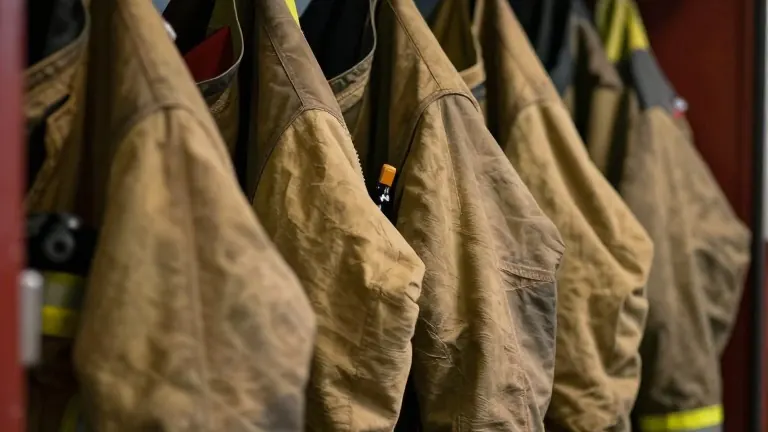
A consolidated class action lawsuit is now pending in Minnesota, where five separate legal actions have been merged into a single case. The suit targets more than a dozen manufacturers of turnout gear and the chemical materials used in their production. Plaintiffs include various fire unions and municipalities across the East Coast. The core demand is for manufacturers to cover the cost of replacing gear that contains per- and polyfluoroalkyl substances, commonly known as PFAS.
The financial burden on local governments is substantial. Chris Albani, a firefighter and union representative in Connecticut, stated that a basic set of pants and a jacket can cost up to $3,000. When helmets and gloves are included, the total per member reaches between $5,000 and $8,000. For a department with 200 members, this creates a significant expense for the municipality. Albani described the replacement process as a major financial undertaking for local tax bases.
Legal filings indicate that the defendants have known about the health risks of PFAS for decades. Jennifer Sclar, an attorney representing the plaintiffs, noted that the companies understood the dangers long before recent academic studies raised public alarm. Sclar argued that the manufacturers concealed this information from first responders. The lawsuit claims the companies marketed the chemicals as safe while internal records suggested otherwise.
Internal documents from 3M and DuPont, cited in the suit and analyzed by the Environmental Working Group, show the companies labeled PFAS as toxic as early as the 1960s and 1970s. By the 1980s, both firms moved female employees of childbearing age away from certain assignments to limit exposure. In the 1990s, their own scientific records linked PFAS to cancer. Despite this, the chemicals remained in protective gear sold to fire departments nationwide.
The dispute over payment has left many firefighters in a state of limbo. A national survey of fire departments found that half of the responding chiefs have not switched to new gear because their towns cannot afford the cost. Ed Kelly, president of the International Association of Fire Fighters, said the union wants the manufacturers to pay for the replacement equipment. Kelly emphasized that the gear must be independently tested to ensure no other harmful chemicals are present.
Trust between departments and manufacturers has eroded since a 2025 incident in Quincy, Massachusetts. The city paid millions for new gear labeled as PFAS-free. Independent tests conducted the same year revealed high levels of the chemicals. Mayor Thomas Koch called the finding outrageous. The manufacturer stated in a public statement that it eliminated PFAS from its textiles in 2025 and that the chemicals were not intentionally added during the specific batch's production.
Manufacturers have contested the claims in court. 3M argued it did not manufacture the specific gear worn by the plaintiffs and that no direct physical injury allegations had been made. DuPont told a media outlet in a previous exchange that the complaints were without merit. Albani said the uncertainty forces firefighters to change their habits. He now tries to avoid touching his jackets and pants until he must put them on for a call.
More Business · Consumer Watch · Report a business · Got a Story?